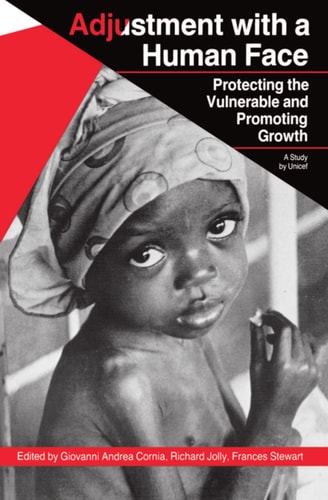
Adjustment with a Human Face: Volume I: Protecting the Vulnerable and Promoting Growth
0
0
As an Amazon Associate and affiliate partner, Menrva Books earns from qualifying purchases. Learn more
Author Description
Following three decades of progress, improvements in the welfare of children and other vulnerable groups worldwide began to falter in the mid-1970s. World recession, and in particular the debt crisis in Latin America and African famine, have seriously affected economic development programs in less developed countries. At the same time, however, large-scale health programs have had a noticeable impact. This study both illustrates the extent of the current crisis and points to the successes to show how welfare policies can--and must--become part of national planning even when the economy is in crisis.
Menrva's Summary
THE THESIS
This work investigates how national economic adjustment policies can be restructured to protect vulnerable populations while simultaneously fostering sustainable development during periods of severe financial crisis. The authors, led by Giovanni Andrea Cornia and supported by UNICEF, analyze the negative social impacts of austerity measures implemented in the 1970s and 1980s. They argue that economic stabilization and human welfare are not mutually exclusive, proposing a framework that integrates social safety nets directly into macroeconomic planning.
THE SCOPE MAP
What You Will Find
- Analysis of the impact of the 1970s global recession and debt crises on developing nations.
- Evaluation of large-scale health and nutrition programs in Latin America and Africa.
- A proposed policy framework for 'adjustment with a human face' that prioritizes human capital.
- Empirical evidence linking economic contraction to declines in child welfare and public health outcomes.
THE AUTHORITY PERSPECTIVE
Experts recognize this volume as a foundational text in the field of development economics, specifically regarding the human cost of structural adjustment programs. Readers frequently note the academic density of the prose and the historical significance of the data presented in the context of international development policy.
Page Count:
344
Publication Date:
1987-11-12
Publisher:
Clarendon Press
ISBN-10:
0198286090
ISBN-13:
9780198286097
Economics
Social Welfare
Public Policy
International relations
Developing Countries
Community Tags
Similar Books