Locations of God
0
0
As an Amazon Associate and affiliate partner, Menrva Books earns from qualifying purchases. Learn more
Author Description
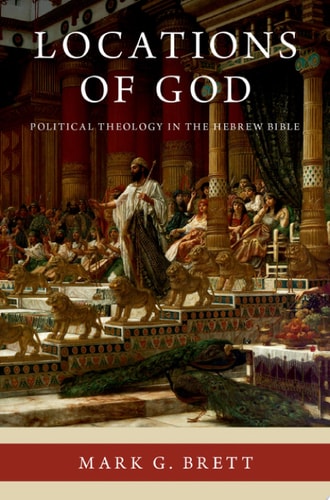
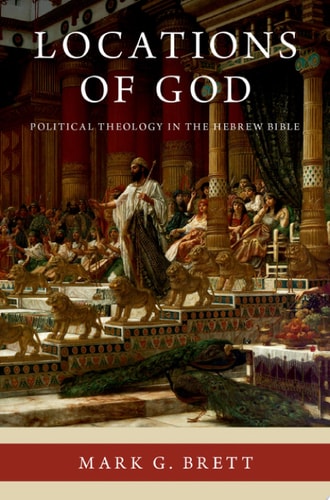
The Hebrew Bible Is Hardly What Might Be Called A Unified Account Of The National History Of Israel. The Texts, With Their Myriad Genres And Competing Perspectives, Show The Forming And Re-forming Of Ancient Israel's Social Body In A Number Of Geographical Settings. The Communities Are Shown In And Out Of Political Power. We Read About In-fighting And Peace, Good Kings And Bad, Freedom And Subjugation. Ultimately, The Hebrew Bible Is A Text About Nationhood And Empire In The Ancient World. Critical Reflection On The Intersections Of Religious And Political Life--which Includes Such Topics As Sovereignty, Leadership, Law, Peoplehood, Hospitality, Redemption, Creation, And Eschatology--can Be Broadly Termed Political Theology. In Locations Of God, Mark G. Brett Focuses Primarily On The Historical Books Of The Bible, Comparing Them Against The Lived Realities Of Life Under The Assyrian Empire That Overshadowed Much Of Ancient Israel's Political Life. Brett Suggests That An Imaginary Nation And Its Imperial Alternatives Were Woven Into The Biblical Traditions By Authors Who Enjoyed Very Little In The Way Of Political Sovereignty. Using Political Theology To Motivate The Discussion, Brett Shows Us Just How The Earthly Situation Of Ancient Israel Contributed To Its Theology As Reflected In The Hebrew Bible.
Menrva's Summary
THE THESIS
This work investigates how the geopolitical realities of ancient Israel under the Assyrian Empire shaped the theological development of the Hebrew Bible. Mark G. Brett, a scholar of biblical studies, utilizes a political theology framework to analyze the historical books of the Old Testament. He argues that the biblical authors, despite lacking political sovereignty, constructed complex narratives about nationhood and empire that were deeply influenced by their lived experiences of subjugation and power dynamics.
THE SCOPE MAP
What You Will Find
- Analysis of the historical books of the Hebrew Bible
- Examination of the intersection between religious identity and imperial power
- Application of political theology to ancient Near Eastern texts
- Comparative study of biblical traditions against Assyrian historical contexts
Scope Limits
- The study focuses primarily on the historical books rather than the prophetic or wisdom literature
- It does not provide a comprehensive history of the entire ancient Near East, focusing instead on the specific theological responses to empire
THE AUTHORITY PERSPECTIVE
Scholars and students of biblical theology frequently cite this text for its rigorous application of political theory to ancient historical narratives. Experts highlight the work as a significant contribution to understanding how marginalized communities articulate identity through theological discourse.
Page Count:
224
Publication Date:
2019-01-01
Publisher:
Oxford University Press
ISBN-10:
0190060247
ISBN-13:
9780190060244
History
Religion
Near East
Political theology
Community Tags
Similar Books