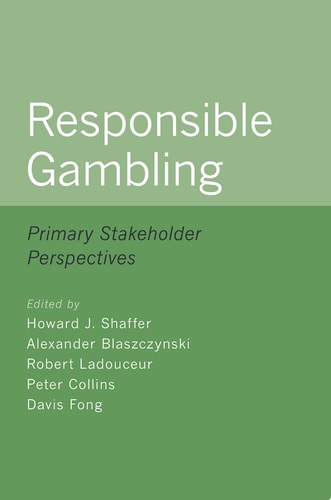
Responsible Gambling: Primary Stakeholder Perspectives
0
0
As an Amazon Associate and affiliate partner, Menrva Books earns from qualifying purchases. Learn more
Author Description
Responsible Gambling Refers To A Range Of Strategies, Initiatives, And Activities Introduced By Gambling Regulators, Policymakers, And Industry Operators To Reduce Gambling-related Harms. There Is An Absence Of Agreement About The Definition Of Responsible Gambling Among These Parties, And Stakeholders' Experiences Reflect Varied And Often Conflicting Positions About The Development, Implementation, And Maintenance Of Existing Responsible Gambling Programs. Complicating These Issues Further, There Is Little Empirical Evidence Supporting The Current Crop Of Responsible Gambling Activities. Consequently, There Is A Pressing Need To Bring Together Key Similarities And Differences Associated With Disparate Stakeholder Groups. Responsible Gambling: Primary Stakeholder Perspectives Will Inform And Better Ground Both Current And Future Debates Focused On The Topic Of Responsible Gambling And Its Intended Outcomes. Chapters Address Responsible Gambling From The Perspective Of Five Groups Of Complementary Stakeholders: Scientists/researchers; Clinicians; Gambling Operators; Public Policy Makers/regulators; And Recovering Gamblers. Contributors Address Responsible Gambling Through The Lens Of The Reno Model, An Approach That Emphasizes The Importance Of Stakeholders Working Together And Using Evidence-based Methods To Reduce Gambling-related Harms. Building Upon And Expanding The Reno Model And Addressing Conflicts And Ethical Compromises So That These Programs Can Achieve Their Intended Objectives (reducing The Worldwide Rate Of Gambling-related Harms), Responsible Gambling Will Be Of Value To Scientists, Clinicians, Policy Makers, Regulators, And Industry Operators Interested In Responsible Gambling Strategies And Activities.
Menrva's Summary
THE THESIS
This book investigates the lack of consensus regarding the definition and efficacy of responsible gambling initiatives among diverse stakeholders. The authors, a multidisciplinary team of researchers, clinicians, and policy experts, examine the current landscape of harm reduction strategies. By analyzing the conflicting perspectives of five key groups, the text argues for a more unified, evidence-based approach to policy development and implementation.
THE SCOPE MAP
What You Will Find
- Analysis of the Reno Model as a framework for stakeholder collaboration
- Comparative perspectives from scientists, clinicians, industry operators, regulators, and recovering gamblers
- Ethical considerations regarding the implementation of harm reduction programs
Scope Limits
- Does not provide a singular, universally accepted definition of responsible gambling
- Does not offer a comprehensive manual for individual gambling addiction treatment
THE AUTHORITY PERSPECTIVE
Experts identify this work as a critical resource for understanding the complex intersection of industry interests and public health policy. Readers frequently note the academic rigor and the necessity of the multi-stakeholder approach presented in the text.
Page Count:
504
Publication Date:
2019-01-01
Publisher:
Oxford University Press
ISBN-10:
0190074574
ISBN-13:
9780190074579
Psychology
Sociology
Business Ethics
Addiction Studies
Public Policy
Community Tags
Similar Books







Reader Comments
Share Your Thoughts
No comments yet. Be the first to share your thoughts!