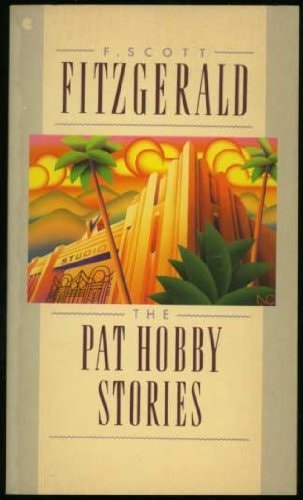
The Pat Hobby Stories
0
0
As an Amazon Associate and affiliate partner, Menrva Books earns from qualifying purchases. Learn more
Author Description
Written for Esquire magazine late in Fitzgerald's career, The Pat Hobby Stories is a bittersweet, humorous recollection of a down-and-out Hollywood screenwriter trying to break back into show business who has better success breaking into bars.Pat Hobby's Christmas wish --A man in the way --"Boil some water, lots of it" --Teamed with genius --Pat Hobby and Orson Welles --Pat Hobby's secret --Pat Hobby, putative father --The homes of the stars --Pat Hobby does his bit --Pat Hobby's preview --No harm trying --A patriotic short --On the trail of Pat Hobby --Fun in an artist's studio --Two old-timers --Mightier than the sword --Pat Hobby's college days
Menrva's Summary
THE PULSE
Pat Hobby, a fading and desperate screenwriter, struggles to navigate the ruthless machinery of the Hollywood studio system while attempting to revive his stalled career.
Driven by a mix of professional ambition and personal necessity, Hobby moves through the fringes of the film industry, often finding himself thwarted by his own lack of talent and the changing tides of studio politics. The narrative framework consists of a series of interconnected short stories that function as a satirical examination of the industry's inner workings. Hobby must contend with younger, more capable writers and the cold indifference of studio executives who view him as a relic of a bygone era. The stories are grounded in the physical reality of 1930s Hollywood, emphasizing the stark contrast between the glamour of the screen and the grittiness of the screenwriter's daily existence.
INSIDE THE PAGES
- Episodic narrative structure focusing on a single protagonist
- Satirical depiction of the Hollywood studio system
- Use of dark humor to highlight professional failure
- Exploration of the transition between silent and sound film eras
- Character-driven vignettes centered on workplace dynamics
- Realistic portrayal of the economic instability of screenwriters
- Recurring themes of aging and obsolescence
- Sharp, cynical dialogue reflecting the industry's transactional nature
THE COLLECTIVE ECHO
Discussion often centers on how these stories reflect Fitzgerald's own disillusionment with his time spent working in the film industry. Readers frequently highlight the balance between the comedic absurdity of Hobby's schemes and the underlying melancholy of his situation. Critics often point to the sharp, economical prose that defines this late-career work, noting that the brevity of the format suits the cynical tone of the subject matter. The collection is widely regarded as a significant look at the darker side of the golden age of cinema, providing a perspective that is both critical and observant. Many readers appreciate the way the stories capture the specific atmosphere of Hollywood during the late 1930s.
Page Count:
192
Publication Date:
1988-05-06
Publisher:
Scribner Paper Fiction
ISBN-10:
0020199104
ISBN-13:
9780020199106
Fiction
Humor
Satire
Short Stories
Hollywood
classic
Community Tags
Other Editions(9)




Similar Books

Reader Comments
Share Your Thoughts
No comments yet. Be the first to share your thoughts!