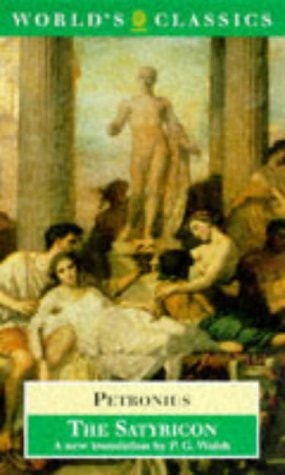
The Satyricon
0
0
As an Amazon Associate and affiliate partner, Menrva Books earns from qualifying purchases. Learn more
Author Description
The Satyricon is the most celebrated prose work to have survived from the ancient world. It can be described as the first realistic novel, the father of the picaresque genre. It recounts the sleazy progress of a pair of literate scholars as they wander through the cities of the southern Mediterranean in the age of Nero, encountering en route type-figures whom the author wishes to satirize. P.G. Walsh captures the spirit of the original in this new and lively translation. His introduction and detailed notes provide the reader with a comprehensive guide to the meanings and intentions of the story and the later history of its literary influence.
Menrva's Summary
THE PULSE
The narrative follows the chaotic and debauched wanderings of Encolpius and his companions as they navigate the moral decay of Neronian society. The protagonists, a pair of literate but morally flexible scholars, seek to survive and thrive through a series of absurd, often grotesque encounters across the southern Mediterranean. Their primary opposition consists of the fickle whims of fortune, the predatory nature of the social elite, and their own impulsive desires. The narrative framework is episodic and fragmented, utilizing a mix of prose and verse to document the shifting landscape of their precarious existence.
INSIDE THE PAGES
- Episodic picaresque structure
- Satirical depiction of Roman social classes
- Integration of Menippean satire elements
- Use of both prose and verse
- Realistic portrayal of low-life characters
- Critique of Neronian-era decadence
- Focus on themes of greed and lust
- Fragmentary manuscript preservation
THE COLLECTIVE ECHO
Readers and critics frequently identify this work as a foundational text for the picaresque genre due to its focus on the exploits of social outsiders. Discussion often centers on the stark contrast between the high-minded literary aspirations of the protagonists and their frequent involvement in sordid, low-stakes criminal activities. Many observers highlight the effectiveness of the author's satirical lens in exposing the hypocrisy of the wealthy and the desperate nature of the impoverished. The fragmented state of the text often generates debate regarding the original intent and the intended conclusion of the narrative. Scholars and casual readers alike note that the work remains a vital resource for understanding the social atmosphere of the ancient world.
Page Count:
272
Publication Date:
1997-12-11
Publisher:
Oxford University Press
ISBN-10:
0192833057
ISBN-13:
9780192833051
Fiction
Satire
Picaresque
Ancient Roman
classic
Community Tags
Other Editions(7)



Similar Books


Reader Comments
Share Your Thoughts
No comments yet. Be the first to share your thoughts!