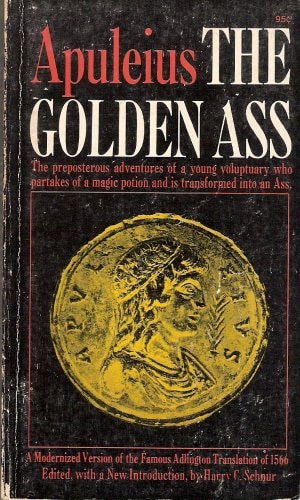
The Golden Ass
0
0
As an Amazon Associate and affiliate partner, Menrva Books earns from qualifying purchases. Learn more
Author Description
The Golden Ass by Apuleius is a unique, entertaining, and thoroughly readable Latin novel - the only work of fiction in Latin to have survived in entirety from antiquity. It tells the story of the hero Lucius, whose curiosity and fascination for sex and magic results in his transformation into an ass. After suffering a series of trials and humiliations, he is ultimately transformed back into human shape by the kindness of the Goddess Isis. Simultaneously a blend of romantic adventure, fable, and religious testament, the Golden Ass is one of the truly seminal books of European Literature, of intrinsic interest as a novel in its own right, and one of the earliest examples of the picaresque. It includes as its famous centrepiece the myth of Cupid and Psyche, the search of the human soul for union with the divine, and has been the inspiration for numerous creative works of literature and art since the Renaissance. This new translation is at once faithful to the meaning of the Latin, whilst reproducing all the exuberant gaiety of the original.
Menrva's Summary
THE PULSE
Driven by an insatiable curiosity for magic, the protagonist Lucius accidentally transforms himself into a donkey, initiating a series of arduous and often humiliating experiences. Lucius must navigate a world filled with thieves, corrupt priests, and cruel masters while trapped in his animal form. His objective is to regain his human shape, a goal that requires him to overcome his own moral failings and seek divine intervention. The narrative employs a first-person perspective, blending realistic social observation with fantastical elements and allegorical subplots. The world is defined by the rigid hierarchies of the Roman Empire, where the protagonist's physical vulnerability as an animal highlights the absurdity and cruelty of human society.
INSIDE THE PAGES
- First-person narrative perspective
- Picaresque structure involving episodic encounters
- Integration of embedded myths and fables
- Satirical commentary on religious and social institutions
- Use of metamorphosis as a central plot device
- Shift from bawdy humor to spiritual allegory
- Detailed descriptions of ancient Roman life and customs
- Inclusion of the Cupid and Psyche myth as a thematic centerpiece
THE COLLECTIVE ECHO
Readers and critics frequently highlight the work's unique position as the only complete Latin novel to survive from antiquity. Discussion often centers on the abrupt tonal shift between the ribald, comedic adventures of the first ten books and the solemn, religious conclusion involving the cult of Isis. Scholars emphasize the text's influence on the development of the picaresque genre and its sophisticated use of irony. Many readers note that the embedded myth of Cupid and Psyche serves as a crucial philosophical anchor for the entire narrative. The text remains a subject of intense study regarding its blend of low-brow entertainment and high-minded spiritual inquiry.
Page Count:
0
Publication Date:
1962-01-01
Publisher:
MacMillan Publishing Company
ISBN-10:
002048240X
ISBN-13:
9780020482406
Adventure
Fantasy
Satire
Greek
classic
Literary
Mythology
Classics
Humor & Satire
Science Fiction
Ancient
Historical
Picaresque