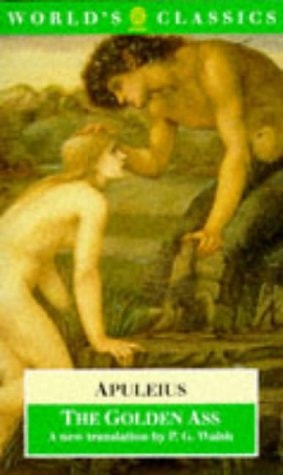
The Golden Ass
0
0
As an Amazon Associate and affiliate partner, Menrva Books earns from qualifying purchases. Learn more
Author Description
Apuleius's Golden Ass is a unique, entertaining, and thoroughly readable Latin novel--the only work of fiction in Latin to have survived from antiquity. It tells the story of the hero Lucius, whose curiosity and fascination for sex and magic results in his transformation into an ass. After suffering a series of trials and humiliations, he is ultimately returned to human shape by the kindness of the goddess Isis. Simultaneously a blend of romantic adventure, fable, and religious testament, The Golden Ass is one of the truly seminal works of European literature, of intrinsic interest as a novel in its own right, and one of the earliest examples of the picaresque. This new translation is at once faithful to the meaning of the Latin, while reproducing all the exuberance of the original.
Menrva's Summary
THE PULSE
Driven by an insatiable curiosity for forbidden magic, the protagonist Lucius inadvertently transforms himself into an ass, initiating a series of chaotic and humiliating encounters. Lucius navigates a world populated by thieves, priests, and sorcerers while trapped in his animal form. His primary objective is to regain his human identity, a goal that requires him to endure physical hardship and social degradation. The narrative employs a first-person perspective, blending satirical observation with philosophical reflection as the protagonist moves through the Roman landscape. The story operates under the logical constraints of ancient magical realism, where divine intervention and human folly intersect.
INSIDE THE PAGES
- First-person narrative perspective
- Satirical commentary on Roman social structures
- Integration of Milesian tales and fables
- Picaresque episodic structure
- Themes of religious conversion and divine grace
- Vivid descriptions of ancient magical practices
- Shift in tone from bawdy humor to spiritual solemnity
- Exploration of human curiosity and its consequences
THE COLLECTIVE ECHO
Readers and scholars frequently analyze the text as a foundational example of the picaresque novel, noting its unique position as the only complete Latin novel to survive from antiquity. Discussion often centers on the abrupt tonal shift between the ribald, comedic adventures of the first ten books and the deeply religious, mystical conclusion involving the goddess Isis. Critics highlight the author's ability to maintain a fast-paced, episodic structure that keeps the reader engaged through a variety of bizarre and often grotesque scenarios. Many readers appreciate the text for its historical insight into the social and religious atmosphere of the Roman Empire. The work remains a subject of intense academic interest due to its complex blend of satire, folklore, and spiritual autobiography.
Page Count:
336
Publication Date:
1995-09-14
Publisher:
Oxford University Press
ISBN-10:
0192824929
ISBN-13:
9780192824929
Adventure
Satire
classic
Ancient
Picaresque
Mythology
Community Tags
Other Editions(9)


Similar Books



Reader Comments
Share Your Thoughts
No comments yet. Be the first to share your thoughts!