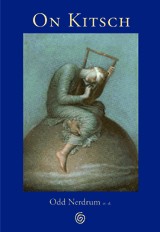
On Kitsch
0
0
As an Amazon Associate and affiliate partner, Menrva Books earns from qualifying purchases. Learn more
Author Description
This is the first book to discuss KITSCH -- with sympathy. The concept of kitsch was seriously present in the discourse of the thirties, significantly through such critics as Hermann Broch, Clement Greenberg and Theodor W. Adorno. At this time, the art world conceived of kitsch as a threat. Whereas art has now finally won total public control, kitsch has become a concept of 'bad taste.' The kitsch of today aspires to become an alternative to art -- not as a domineering concept -- but as an enrichment together with art, and as a means for artists and critics to find an expression which expands our culture. Perhaps art historians may attain the freedom to interpret other values, transcending the strict criteria of art.
Menrva's Summary
THE THESIS
This book offers a sympathetic exploration of kitsch, a concept historically viewed as a threat to art. The author examines the discourse surrounding kitsch in the 1930s, when critics like Broch, Greenberg, and Adorno perceived it as a negative force. In contemporary times, kitsch has shifted from being a marker of 'bad taste' to aspiring to be an alternative and enrichment to art, offering artists and critics new avenues for cultural expression and broader interpretations of value.
THE SCOPE MAP
- A sympathetic discussion of the concept of kitsch.
- Historical context of kitsch discourse in the 1930s, referencing key critics.
- Analysis of the evolving perception of kitsch from a threat to art to an enrichment.
- Exploration of kitsch as a means for artists and critics to expand cultural expression.
- Consideration of how art historians might interpret values beyond strict artistic criteria.
THE AUTHORITY PERSPECTIVE
The book presents a novel perspective by discussing kitsch with sympathy, a departure from its historical treatment as a negative concept. It traces the evolution of kitsch from a perceived threat in the 1930s, as analyzed by prominent critics, to its current status as a potential enrichment to art. The work suggests that kitsch offers artists and critics a means to expand cultural expression and encourages a broader interpretation of artistic values.
Page Count:
99
Publication Date:
2014-01-01
ISBN-10:
8299797837
ISBN-13:
9788299797832
History
Non-Fiction
Art
Philosophy
Art History
Art Criticism
Community Tags
Similar Books