Fabulous Science: Fact and Fiction in the History of Scientific Discovery
0
0
As an Amazon Associate and affiliate partner, Menrva Books earns from qualifying purchases. Learn more
Author Description
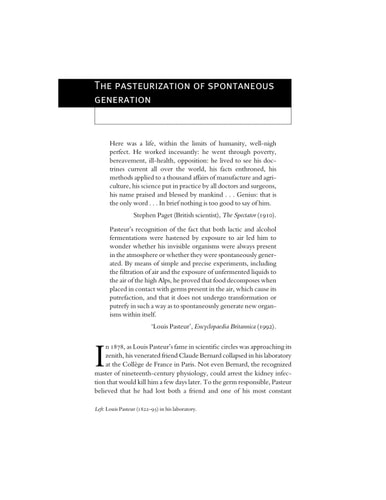
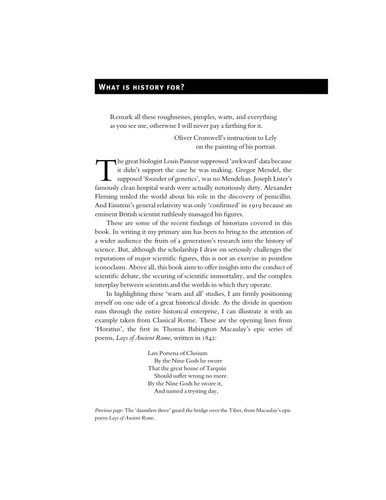
The great biologist Louis Pasteur suppressed 'awkward' data because it didn't support the case he was making. John Snow, the 'first epidemiologist' was doing nothing others had not done before. Gregor Mendel, the supposed 'founder of genetics' never grasped the fundamental principles of 'Mendelian' genetics. Joseph Lister's famously clean hospital wards were actually notorious dirty. And Einstein's general relativity was only 'confirmed' in 1919 because an eminent British scientist cooked his figures. These are just some of the revelations explored in this book. Drawing on current history of science scholarship, Fabulous Science shows that many of our greatest heroes of science were less than honest about their experimental data and not above using friends in high places to help get their ideas accepted. It also reveals that the alleged revolutionaries of the history of science were often nothing of the sort. Prodigiously able they may have been, but the epithet of the 'man before his time' usually obscures vital contributions made their unsung contemporaries and the intrinsic merits of ideas they overturned. These distortions of the historical record mostly arise from our tendency to read the present back into the past. But in many cases, scientists owe their immortality to a combination of astonishing effrontery and their skills as self-promoters.
Menrva's Summary
THE THESIS
This book investigates the discrepancy between the idealized, heroic narratives of scientific discovery and the often messy, flawed, or dishonest reality of how these breakthroughs actually occurred. John Waller, a historian of science, utilizes contemporary scholarship to deconstruct the myths surrounding figures like Louis Pasteur, Gregor Mendel, and Albert Einstein. By examining primary source data and historical context, the author argues that the history of science is frequently distorted by a retrospective bias that favors self-promotion and simplified narratives over the complex, collaborative, and sometimes deceptive nature of scientific progress.
THE SCOPE MAP
What You Will Find
- Historical case studies of major figures including Louis Pasteur, John Snow, Gregor Mendel, and Joseph Lister.
- Analysis of how experimental data was manipulated or suppressed to fit established theories.
- Examination of the role of social influence and institutional support in the acceptance of scientific ideas.
- Critique of the 'great man' theory of history and the tendency to ignore the contributions of unsung contemporaries.
THE AUTHORITY PERSPECTIVE
Experts and readers alike recognize this work as a provocative challenge to traditional hagiographic accounts of scientific history. The text is frequently cited for its ability to balance rigorous historical research with an accessible, narrative-driven style that appeals to both academics and general science enthusiasts.
Page Count:
324
Publication Date:
2004-02-29
Publisher:
Oxford Univ Pr
ISBN-10:
0198609396
ISBN-13:
9780198609391
Science
Non-Fiction
Biography
Discoveries in science