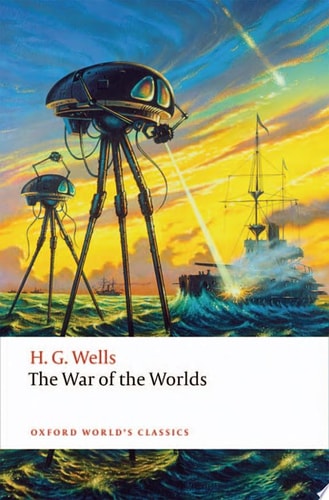
The War of the Worlds
0
0
As an Amazon Associate and affiliate partner, Menrva Books earns from qualifying purchases. Learn more
Author Description
One of the most important and influential invasion narratives ever written, The War of the Worlds (1897) describes the coming of the Martians, who land in Woking, and make their way remorselessly towards the capital, wreaking chaos, death, and destruction.The novel is closely associated with anxiety about a possible invasion of Great Britain at the turn of the century, and concerns about imperial expansion and its impact, and it drew on the latest astronomical knowledge to imagine a desert planet, Mars, turning to Earth for its future. The Martians are also evolutionarily superior to mankind.
Menrva's Summary
THE PULSE
The arrival of extraterrestrial machines in rural England triggers a desperate struggle for human survival against an technologically superior invading force. The protagonist, an unnamed narrator, attempts to navigate the collapsing social order of Victorian England while witnessing the systematic destruction of his home by Martian tripods. He must contend with the physical devastation of the landscape and the psychological toll of witnessing humanity's sudden obsolescence. The narrative is presented as a retrospective first-person account, documenting the rapid escalation of the conflict from a local curiosity to a global catastrophe.
INSIDE THE PAGES
- First-person retrospective narrative perspective
- Detailed descriptions of early science fiction technology
- Exploration of late-Victorian societal anxieties
- Critique of British imperial expansionism
- Use of astronomical theories prevalent in the 1890s
- Pacing that mirrors the rapid advance of the Martian forces
- Themes of biological and evolutionary superiority
- Atmospheric depiction of urban and rural decay
THE COLLECTIVE ECHO
Readers and critics frequently identify this work as a foundational text for the modern alien invasion subgenre. Discussion often centers on the author's ability to ground speculative technology within a recognizable, mundane setting to heighten the sense of dread. Many analyses focus on the thematic parallels between the Martian conquest and the historical realities of British colonialism. The narrative is often praised for its clinical, detached observation of human panic and the fragility of civilization. Critics highlight the effectiveness of the ending as a commentary on the role of nature in human affairs.
Page Count:
240
Publication Date:
2017-10-10
Publisher:
Oxford University Press
ISBN-10:
0198702647
ISBN-13:
9780198702641
Dystopian
Science Fiction
English
English & College Success
classic
Science Fiction
Community Tags
Other Editions(170)
Penguin Random House
2026
Default edition
Blackstone Publishing, Inc.
2024
Wildside Press
2024

Wildside Press, LLC
2024

Arcturus Publishing
2024

BoD - Books on Demand
2023
Repro India Limited
2022
Repro India Limited
2022
Repro India Limited
2022

Fox Eye Publishing
2022
New York Review of Books
2021
Independently Published
2021

FeedARead.com
2021

Independently Published
2021
Independently Published
2021

Independently Published
2021
Independently Published
2021

Independently Published
2021
Eternal Chrysostom LLC
2021

Independently Published
2021

Amazon Digital Services LLC - KDP Print US
2021

Independently Published
2021

True Sign Publishing House
2021

Independently Published
2020

Independently Published
2020
Mint Editions
2020

Independently Published
2020
Barclays Public Books
2020
Yorkshire Public Books
2020

Public Publishing
2020

Texas Public Domain
2020

Susan Publishing Limited
2020

Toronto Public Domain Publishing
2020

Public Public Books
2020

USA Public Domain Books
2020
Independently Published
2020

Independently Published
2020

Independently Published
2020
Public Park Publishing
2020

NS English
2020

Independently Published
2019
National Geographic Books
2019
Independently Published
2019

Independently Published
2019

Amazon Digital Services LLC - KDP Print US
2019
Penguin
2019
Amazon Digital Services LLC - KDP Print US
2019

Independently Published
2019

East India Publishing Company
2019
Amazon Digital Services LLC - KDP Print US
2019
Books on Demand
2019

Amazon Digital Services LLC - KDP Print US
2019
Amazon Digital Services LLC - KDP Print US
2019

Independently Published
2019
Arcturus Publishing
2019
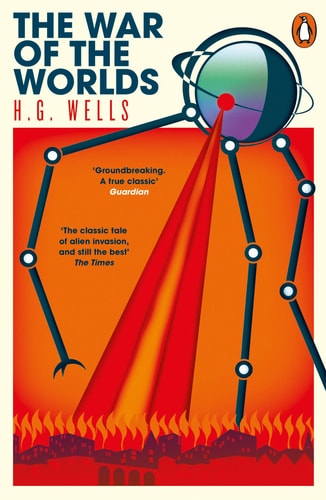
National Geographic Books
2019

Penguin Books Limited
2019

Amazon Digital Services LLC - KDP Print US
2019

Amazon Digital Services LLC - KDP Print US
2018

Amazon Digital Services LLC - KDP Print US
2018
Amazon Digital Services LLC - KDP Print US
2018
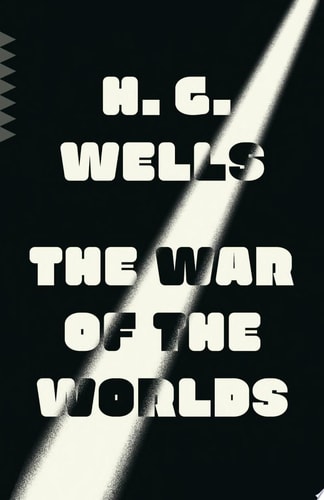
Knopf Doubleday Publishing Group
2018

CreateSpace Independent Publishing Platform
2018
CreateSpace Independent Publishing Platform
2018
Amazon Digital Services LLC - KDP Print US
2018

Simon & Brown
2018
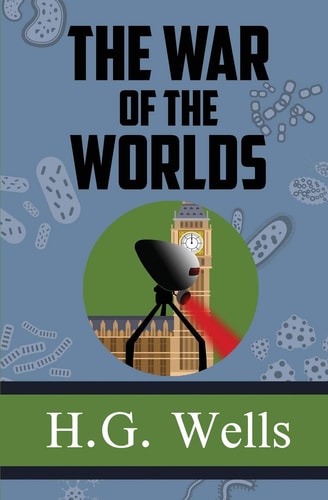
Sde Classics
2018
CreateSpace Independent Publishing Platform
2018
CreateSpace Independent Publishing Platform
2018

CreateSpace Independent Publishing Platform
2018
CreateSpace Independent Publishing Platform
2018

CreateSpace Independent Publishing Platform
2018
CreateSpace Independent Publishing Platform
2018

CreateSpace Independent Publishing Platform
2018

CreateSpace Independent Publishing Platform
2018
CreateSpace Independent Publishing Platform
2018

CreateSpace Independent Publishing Platform
2018

CreateSpace Independent Publishing Platform
2018

CreateSpace Independent Publishing Platform
2018
Independently Published
2018

CreateSpace Independent Publishing Platform
2018
Baker Street Press
2018
CreateSpace Independent Publishing Platform
2018
CreateSpace Independent Publishing Platform
2018
Classic Comic Store, Limited
2018
CreateSpace Independent Publishing Platform
2018

CreateSpace Independent Publishing Platform
2018

CreateSpace Independent Publishing Platform
2018

CreateSpace Independent Publishing Platform
2018

CreateSpace Independent Publishing Platform
2018

Maple Press Pvt. Limited
2018
Independently Published
2017
CreateSpace Independent Publishing Platform
2017
Jazzybee Verlag
2017
Independently Published
2017

CreateSpace Independent Publishing Platform
2017
CreateSpace Independent Publishing Platform
2017

CreateSpace Independent Publishing Platform
2017
CreateSpace Independent Publishing Platform
2017
Oxford University Press
2017
CreateSpace Independent Publishing Platform
2017
CreateSpace Independent Publishing Platform
2017

Independently Published
2017
Innovative Eggz LLC
2017

CreateSpace Independent Publishing Platform
2017
CreateSpace Independent Publishing Platform
2017

CreateSpace Independent Publishing Platform
2017

CreateSpace Independent Publishing Platform
2017

CreateSpace Independent Publishing Platform
2017

CreateSpace Independent Publishing Platform
2017

Independently Published
2017

CreateSpace Independent Publishing Platform
2017

CreateSpace Independent Publishing Platform
2017
Independently Published
2017
CreateSpace Independent Publishing Platform
2017

CreateSpace Independent Publishing Platform
2017
CreateSpace Independent Publishing Platform
2017

CreateSpace Independent Publishing Platform
2017
CreateSpace Independent Publishing Platform
2017
CreateSpace Independent Publishing Platform
2017

CreateSpace Independent Publishing Platform
2017
CreateSpace Independent Publishing Platform
2017

CreateSpace Independent Publishing Platform
2017

HarperCollins Publishers Limited
2017

CreateSpace Independent Publishing Platform
2017
CreateSpace Independent Publishing Platform
2017

First Avenue Editions ™
2017

CreateSpace Independent Publishing Platform
2016

CreateSpace Independent Publishing Platform
2016

CreateSpace Independent Publishing Platform
2016

CreateSpace Independent Publishing Platform
2016
Read Books Ltd.
2016
CreateSpace Independent Publishing Platform
2016
CreateSpace Independent Publishing Platform
2016
H. G. Wells Library
2016

Creative Media Partners, LLC
2016

CreateSpace Independent Publishing Platform
2016

CreateSpace Independent Publishing Platform
2016
CreateSpace Independent Publishing Platform
2016
CreateSpace Independent Publishing Platform
2016
CreateSpace Independent Publishing Platform
2016

Classic Comic Store, Limited
2016

CreateSpace Independent Publishing Platform
2016

CreateSpace Independent Publishing Platform
2015

CreateSpace Independent Publishing Platform
2015
Classic Comic Store
2015

CreateSpace Independent Publishing Platform
2015

CreateSpace Independent Publishing Platform
2015

CreateSpace Independent Publishing Platform
2015
CreateSpace Independent Publishing Platform
2015

Prakash Book Depot
2015

CreateSpace Independent Publishing Platform
2015
CreateSpace Independent Publishing Platform
2014

CreateSpace Independent Publishing Platform
2014
CreateSpace Independent Publishing Platform
2014

CreateSpace Independent Publishing Platform
2014
CreateSpace Independent Publishing Platform
2012

Steerforth Press
2011

ABDO
2011
Echo Library
2011

CreateSpace Independent Publishing Platform
2010

Penguin Group USA, Inc.
2008
Open Road Integrated Media, Inc.
2007

bnpublishing.com
2006
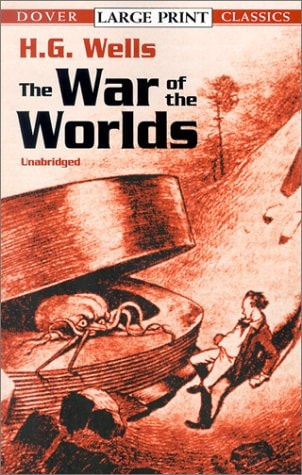
Dover Publications
2001

Oxford University Press
1995
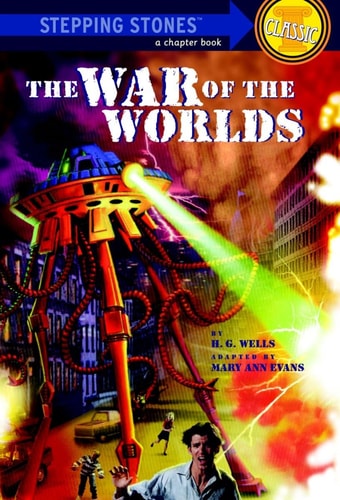
National Geographic Books
1991
Random House Publishing Group
1988
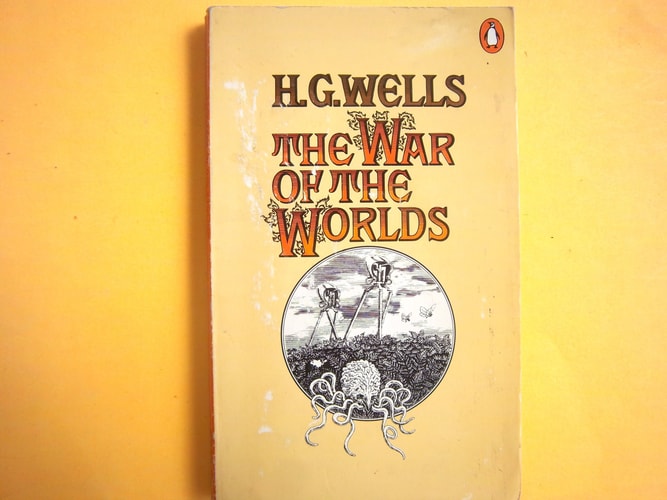
Oxford Univ Pr
1988

Tor Publishing Group
1988
Similar Books


Reader Comments
Share Your Thoughts
No comments yet. Be the first to share your thoughts!