
Nineteen Eighty-Four
0
0
As an Amazon Associate and affiliate partner, Menrva Books earns from qualifying purchases. Learn more
Author Description
'If you want a picture of the future, imagine a boot stamping on a human face--forever.'Nineteen Eighty-Four (1949), George Orwell's final novel, was completed in difficult conditions shortly before his early death. It is one of the most influential and widely-read novels of the post-war period, and has been a huge international bestseller over many decades. Continually in print, it has long been controversial, both in its immediate Cold War context and in later history.It is in some ways a realist novel, but in others is more akin to a work of science fiction, a dystopia or a satire. It also has strong affiliations to Gothic in its plotting, motifs and affective states. Full of horror and terror, it contains prophetic dreams and a central character who thinks of himself as a 'monster', a 'ghost' and 'already dead'. Like Frankenstein and Dracula, it is fascinated by the power of a documentary remnant addressed to an unknown reader.
Menrva's Summary
THE PULSE
In a surveillance-obsessed totalitarian state, a low-level bureaucrat attempts to reclaim his individuality and historical truth against an omnipresent regime. Winston Smith works for the Ministry of Truth, rewriting history to align with the shifting mandates of the Party. His objective is to maintain a secret diary and pursue a forbidden romantic connection, both of which constitute acts of treason. He faces the constant threat of the Thought Police and the psychological manipulation of Big Brother, operating within a world where language is restricted and reality is dictated by the state. The narrative is presented in a third-person limited perspective that tracks Winston's internal deterioration and eventual confrontation with the state's mechanisms of control.
INSIDE THE PAGES
- Use of Newspeak to illustrate the linguistic limitation of thought
- Detailed depiction of constant surveillance via telescreens
- Exploration of the concept of doublethink as a psychological tool
- Incorporation of historical revisionism as a primary state function
- Focus on the physical and mental degradation of the protagonist
- Inclusion of a forbidden romantic subplot as a catalyst for rebellion
- Use of an epistolary element through the protagonist's secret diary
- Atmospheric construction of a decaying, oppressive urban environment
THE COLLECTIVE ECHO
Discussion often centers on the novel's enduring relevance regarding privacy, state surveillance, and the manipulation of objective truth. Readers frequently highlight the bleak, claustrophobic atmosphere that permeates the narrative from the opening pages. Critics often analyze the effectiveness of the world-building, specifically how the Party uses language and fear to maintain absolute power over the populace. The balance between Winston's internal monologue and the external pressures of the regime provides a stark look at the fragility of individual identity. Many readers note that the book serves as a foundational text for understanding the mechanics of authoritarian control in modern political discourse.
Page Count:
304
Publication Date:
2021-01-01
Publisher:
Oxford University Press
ISBN-10:
0198829191
ISBN-13:
9780198829195
Science Fiction
Dystopian
Satire
classic
English literature
Political fiction
Community Tags
Other Editions(23)
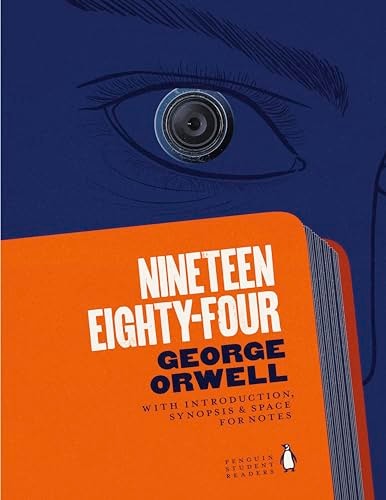
Penguin Books, Limited
2024
Default edition
HarperCollins Publishers India Pvt Limited
2024

Orion
2022
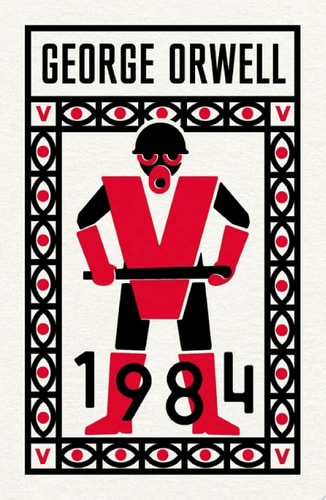
Faber & Faber
2021

Flame Tree Publishing
2021

HarperCollins Publishers Limited
2021
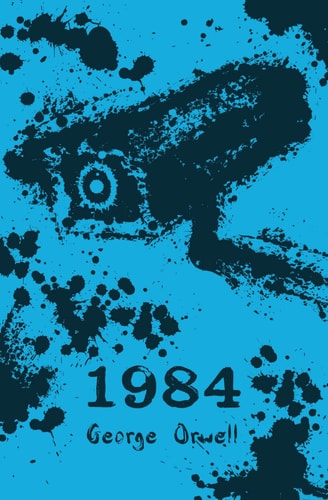
Scholastic
2021
Oxford University Press
2021
BoD - Books on Demand
2021

National Geographic Books
2020
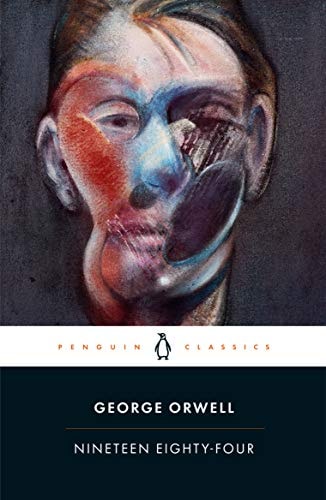
National Geographic Books
2019

Independently Published
2019
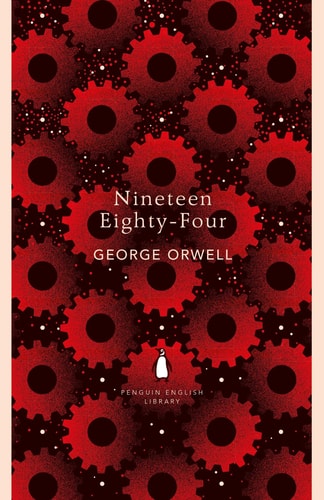
National Geographic Books
2018
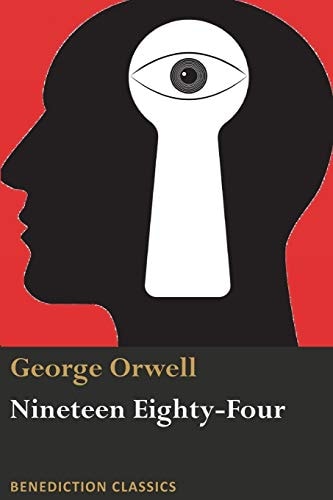
Benediction Classics
2018
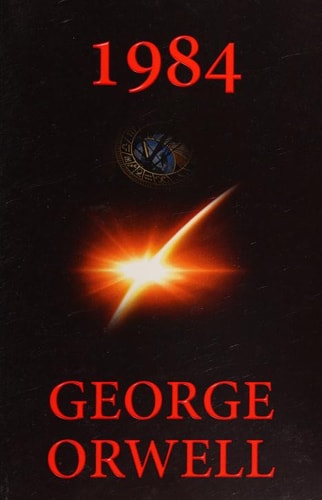
Susan Brawtley
2014
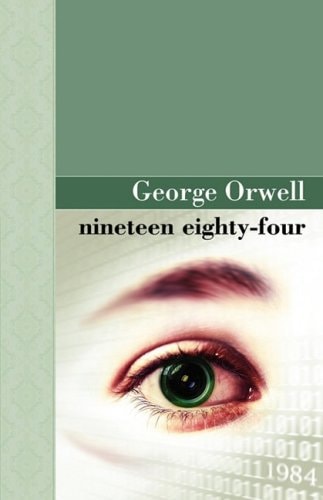
Archeion Press, LLC
2007

RosettaBooks
2002

Hodder & Stoughton
1998

Addison-Wesley Longman, Limited
1991
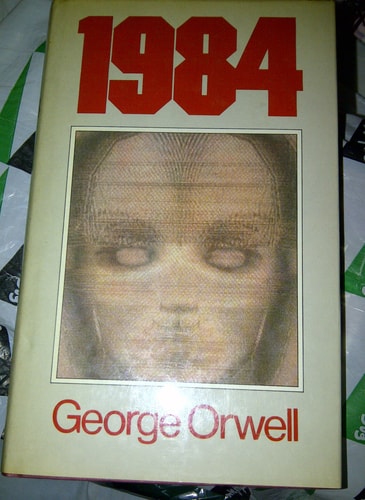
Penguin Books
1989
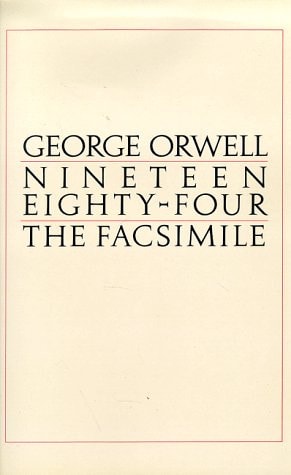
Harcourt Trade Publishers
1984

Secker & Warburg
1984
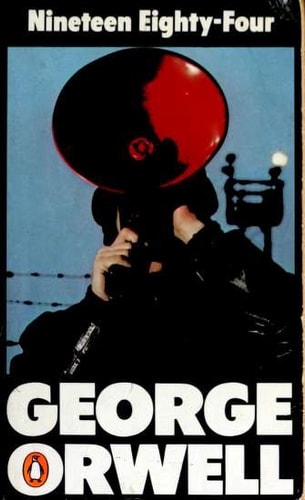
Penguin UK
1954
Similar Books






Reader Comments
Share Your Thoughts
No comments yet. Be the first to share your thoughts!