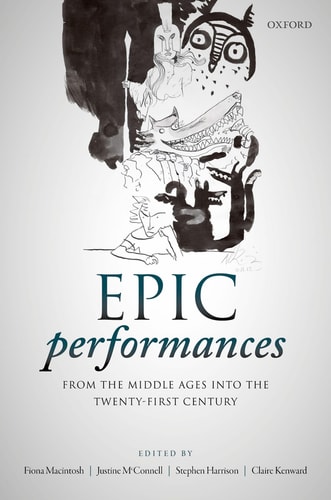
Epic Performances from the Middle Ages into the Twenty-First Century
0
0
As an Amazon Associate and affiliate partner, Menrva Books earns from qualifying purchases. Learn more
Author Description
Greek and Roman epic poetry has always provided creative artists in the modern world with a rich storehouse of themes. Tim Supple and Simon Reade's 1999 stage adaptation of Ted Hughes' Tales from Ovid for the RSC heralded a new lease of life for receptions of the genre, and it now routinely provides raw material for the performance repertoire of both major cultural institutions and emergent, experimental theatre companies.This volume represents the first systematic attempt to chart the afterlife of epic in modern performance traditions, with chapters covering not only a significant chronological span, but also ranging widely across both place and genre, analysing lyric, film, dance, and opera from Europe to Asia and the Americas. What emerges most clearly is how anxieties about the ability to write epic in the early modern world, together with the ancient precedent of Greek tragedy's reworking of epic material, explain its migration to the theatre. This move, though, was not without problems, as epic encountered the barriers imposed by neo-classicists, who sought to restrict serious theatre to a narrowly defined reality that precluded its broad sweeps across time and place. In many instances in recent years, the fact that the Homeric epics were composed orally has rendered reinvention not only legitimate, but also deeply appropriate, opening up a range of forms and traditions within which epic themes and structures may be explored. Drawing on the expertise of specialists from the fields of classical studies, English and comparative literature, modern languages, music, dance, and theatre and performance studies, as well as from practitioners within the creative industries, the volume is able to offer an unprecedented modern and dynamic study of 'epic' content and form across myriad diverse performance arenas.
Menrva's Summary
THE THESIS
This volume investigates how the traditions of Greek and Roman epic poetry have been adapted and reinterpreted across diverse performance media from the Middle Ages to the present day. The authors, a collaborative team of scholars specializing in classical studies, literature, and performance, argue that the inherent oral nature of Homeric epic provides a flexible framework for modern reinvention. By analyzing the migration of epic themes into theatre, film, dance, and opera, the text examines how artists navigate the historical constraints imposed by neo-classical definitions of dramatic reality.
THE SCOPE MAP
What You Will Find
- A comprehensive analysis of epic adaptation across multiple centuries and geographical regions, including Europe, Asia, and the Americas.
- Examination of diverse performance formats such as lyric, film, dance, and opera.
- Integration of perspectives from both academic specialists and practitioners within the creative industries.
- Exploration of the tension between ancient epic structures and the restrictive expectations of neo-classical theatre.
THE AUTHORITY PERSPECTIVE
Experts recognize this volume as a significant interdisciplinary contribution to the study of classical reception in modern performance. Scholars frequently highlight the breadth of the research, noting that it successfully bridges the gap between classical philology and contemporary theatre practice.
Page Count:
672
Publication Date:
2018-12-25
Publisher:
Oxford University Press
ISBN-10:
0198804210
ISBN-13:
9780198804215
History
Criticism history
Theatre studies
Performance Studies
Epic Poetry
Literary Criticism
Community Tags
Similar Books
Reader Comments
Share Your Thoughts
No comments yet. Be the first to share your thoughts!