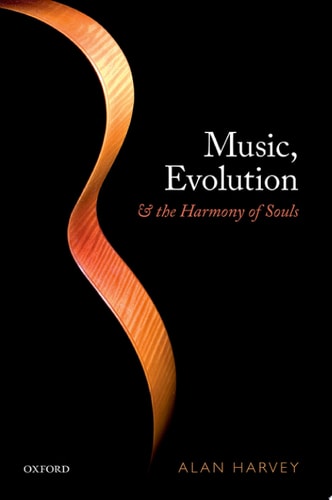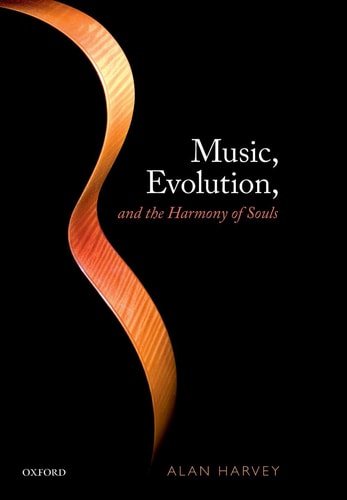
Music, Evolution, and the Harmony of Souls
0
0
As an Amazon Associate and affiliate partner, Menrva Books earns from qualifying purchases. Learn more
Author Description
Music is central to human cultural and intellectual experience. It is vitally important for the welfare of human society and - this book argues - should become more widely accepted in our community as a mainstream educational and therapeutic tool.This book explores the importance of music throughout human evolution, and its continued relevance to modern-day human society. Throughout, the emphasis is on the origin of music and how (and where) it is processed in our brains, exploring in detail the genetic and cultural evolution of modern, loquacious humans, how we may have evolved with unique neural and cognitive architecture, and why two complementary but distinct communication systems - language and music - remain a human universal.In addition the book explores, in some depth, the different theories that have been put forward to explain why musical communication was (and remains) advantageous to our species, with a particular emphasis on the role of music and dance in enhancing altruistic and prosocial behaviours. The author suggests that music, and the social harmonization it brings, was of vital importance in early humans as we became more and more individualized by the emergence of modern language and the modern mind, and the realization that we are mortal.Music, Evolution, and the Harmony of Souls demonstrates the evolutionary sociobiological importance of music as a driver of cooperative and interactive behaviour throughout human existence, and what this evolutionary imperative means to twenty-first century humanity and beyond, from social and medical/neurological perspectives
Menrva's Summary
THE THESIS
This book investigates the evolutionary origins of music and its enduring role as a fundamental driver of human social cohesion and neurological health. Alan R. Harvey, a neuroscientist, synthesizes data from evolutionary biology, cognitive science, and anthropology to argue that music is not merely a cultural byproduct but a vital adaptation. He posits that music and language evolved as complementary communication systems, with music specifically serving to foster altruism and prosocial behavior in early human populations.
THE SCOPE MAP
What You Will Find
- Analysis of the neural and cognitive architecture involved in musical processing.
- Examination of the genetic and cultural evolution of modern humans in relation to musical expression.
- Discussion of theories regarding the survival advantages of musical communication and dance.
- Exploration of the therapeutic and educational potential of music in contemporary society.
THE AUTHORITY PERSPECTIVE
Experts recognize this work as a comprehensive interdisciplinary synthesis that bridges the gap between biological evolution and cultural expression. Readers frequently note the accessible yet rigorous approach the author takes when explaining complex neurological concepts for a general audience.
Page Count:
312
Publication Date:
2018-08-07
Publisher:
Oxford University Press
ISBN-10:
0198829353
ISBN-13:
9780198829355
Music
Psychology
Neuroscience
Music
Evolutionary Biology
Anthropology
Sociology