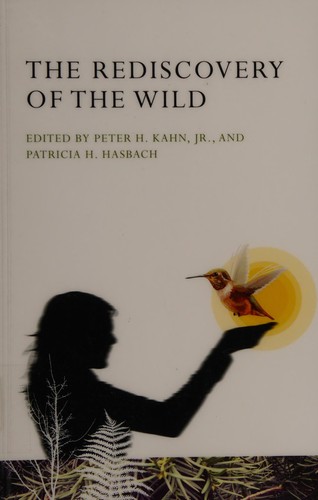
The Rediscovery of the Wild
0
0
As an Amazon Associate and affiliate partner, Menrva Books earns from qualifying purchases. Learn more
Author Description
We often enjoy the benefits of connecting with nearby, domesticated nature -- a city park, a backyard garden. But this book makes the provocative case for the necessity of connecting with wild nature -- untamed, unmanaged, not encompassed, self-organizing, and unencumbered and unmediated by technological artifice. We can love the wild. We can fear it. We are strengthened and nurtured by it. As a species, we came of age in a natural world far wilder than today's, and much of the need for wildness still exists within us, body and mind. The Rediscovery of the Wild considers ways to engage with the wild, protect it, and recover it -- for our psychological and physical well-being and to flourish as a species. The contributors offer a range of perspectives on the wild, discussing such topics as the evolutionary underpinnings of our need for the wild; the wild within, including the primal passions of sexuality and aggression; birding as a portal to wildness; children's fascination with wild animals; wildness and psychological healing; the shifting baseline of what we consider wild; and the true work of conservation.
Menrva's Summary
THE THESIS
This book argues for the essential human need to connect with untamed, self-organizing nature, distinct from domesticated or managed environments. The author and contributors explore the evolutionary basis of this need, examining how wildness, both external and internal (including primal passions), shapes our psychological and physical well-being. The book investigates various avenues for engaging with and protecting wild spaces, from birding as a gateway to wildness to the role of wild animals in children's development and the therapeutic benefits of wildness for psychological healing. It also addresses the concept of the 'shifting baseline' in our perception of what constitutes wildness and the fundamental work of conservation for human and species flourishing.
THE SCOPE MAP
- The evolutionary underpinnings of humanity's innate need for wild nature.
- Exploration of the 'wild within,' encompassing primal human drives like sexuality and aggression.
- Birding as a specific practice that serves as a portal to experiencing wildness.
- The fascination children exhibit towards wild animals and its developmental significance.
- The role of wildness in psychological healing and mental well-being.
- Discussion on the 'shifting baseline' phenomenon and its impact on our perception of wildness.
- The core principles and practices of true conservation efforts.
THE AUTHORITY PERSPECTIVE
The book presents a compelling argument for the necessity of engaging with wild, unmanaged nature for human well-being, drawing on evolutionary psychology and diverse case studies. Contributors offer a range of perspectives, from the primal instincts within us to the practicalities of conservation. The work is likely to appeal to readers interested in environmental psychology, conservation science, and the deeper human connection to the natural world. It prompts a re-evaluation of our relationship with nature, advocating for a more profound engagement with its untamed aspects.
Page Count:
250
Publication Date:
2013-01-01
ISBN-10:
026201873X
ISBN-13:
9780262018739
Psychology
Philosophy
Nature
Science
Non-Fiction
Conservation
Community Tags
Similar Books