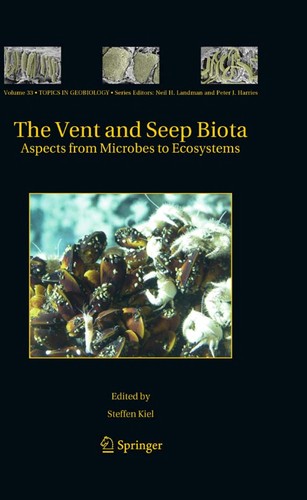
The Vent and Seep Biota
0
0
As an Amazon Associate and affiliate partner, Menrva Books earns from qualifying purchases. Learn more
Author Description
Oases of life around black smokers and hydrocarbon seeps in the deep-sea were among the most surprising scientific discoveries of the past three decades. These ecosystems are dominated by animals having symbiotic relationships with chemoautotrophic bacteria. Their study developed into an international, interdisciplinary venture where scientists develop new technologies to work in some of the most extreme places on Earth. This book highlights discoveries, developments, and advances made during the past 10 years, including remarkable cases of host-symbiont coevolution, worms living on frozen methane, and a fossil record providing insights into the dynamic history of these ecosystems since the Paleozoic.
Menrva's Summary
THE THESIS
The deep sea harbors unique ecosystems fueled by chemosynthesis, challenging our understanding of life's limits. This book details the remarkable discoveries and technological advancements made in studying hydrothermal vents and hydrocarbon seeps over the past decade. It explores the symbiotic relationships between animals and chemosynthetic bacteria, highlighting groundbreaking findings such as host-symbiont coevolution, life on frozen methane, and the ancient fossil record of these dynamic environments.
THE SCOPE MAP
- Oases of life around black smokers and hydrocarbon seeps in the deep-sea.
- Animals with symbiotic relationships with chemoautotrophic bacteria.
- New technologies developed for deep-sea research.
- Remarkable cases of host-symbiont coevolution.
- Worms living on frozen methane.
- A fossil record providing insights into ecosystem history since the Paleozoic.
THE AUTHORITY PERSPECTIVE
This book synthesizes recent discoveries in deep-sea vent and seep ecosystems, focusing on the symbiotic relationships that define these environments. It highlights the interdisciplinary nature of this research and the technological innovations required to explore these extreme habitats. The content covers significant findings from the past ten years, including coevolutionary processes, unique life forms like methane-dwelling worms, and paleontological evidence of these ecosystems' long history. The book aims to provide an overview of advances in the field.
Page Count:
490
Publication Date:
2012-01-01
ISBN-10:
9400733399
ISBN-13:
9789400733398
Non-Fiction
Animals
Science
Paleontology
Symbiosis
Scientific Discovery
Marine Biology
Community Tags
Similar Books