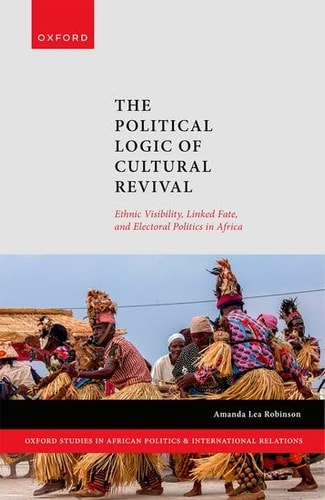
The Political Logic of Cultural Revival: Ethnic Visibility, Linked Fate, and Electoral Politics in Africa
0
0
As an Amazon Associate and affiliate partner, Menrva Books earns from qualifying purchases. Learn more
Author Description
Since 2008, Prominent Members Of The Lhomwe Ethnic Group - A Large But Politically Marginalized Community In Malawi - Have Waged An Aggressive Campaign To Revive Their Lost Cultural Heritage, Including Their Language, Names, Foods, And Dances. Existing Research Has Linked Such Processes Of Inventing Tradition To The Strategic Actions Of Political Elites Who Benefit From Mobilizing Members Of Marginalized Ethnic Communities For Political Ends. Yet, Because Existing Research Has Focused Primarily On Elite Incentives, We Know Less About How Such Elite-led Efforts Translate Into Lasting Cultural Change And Active Political Support Among Regular People. The Political Logic Of Cultural Revival, Through An In-depth Study Of The Lhomwe Revival, Argues That Political Elites Invest In Such Revivals When Doing So Will Bear Political Returns Via Increased Ethnic Visibility. Ethnopolitical Leaders Benefit From Having The Identity Of Their Group Members Easily Visible To Others, Because Such Visibility Ties Those Individuals' Fate To That Of The Larger Group
Menrva's Summary
THE THESIS
This book investigates the mechanisms by which political elites utilize cultural revival movements to secure electoral support among marginalized ethnic groups. Professor Amanda Lea Robinson draws upon extensive field research and political science theory to examine how the strategic promotion of ethnic identity—such as language, tradition, and heritage—functions as a tool for increasing group visibility. By analyzing the Lhomwe community in Malawi, the author argues that these revivals are not merely social phenomena but calculated political strategies designed to link individual fate to collective ethnic identity, thereby consolidating electoral power.
THE SCOPE MAP
What You Will Find
- A detailed case study of the Lhomwe ethnic group in Malawi and their cultural revival efforts since 2008.
- A theoretical framework explaining the relationship between ethnic visibility and political mobilization.
- Analysis of how elite-led cultural initiatives translate into grassroots political support.
- Empirical evidence derived from field interviews and political data regarding ethnic identity and voting behavior.
THE AUTHORITY PERSPECTIVE
Scholars in the field of African politics recognize this work as a significant contribution to the study of ethnic mobilization and electoral strategy. Readers frequently note the academic rigor of the text, which provides a clear, data-driven explanation for phenomena often dismissed as purely cultural.
Page Count:
256
Publication Date:
2025-02-14
Publisher:
Oxford University Press
ISBN-10:
0198909713
ISBN-13:
9780198909712
Politics
Ethnicity
Sociology
Systems Theory
World politics
International relations
Community Tags
Similar Books