State
0
0
As an Amazon Associate and affiliate partner, Menrva Books earns from qualifying purchases. Learn more
Author Description
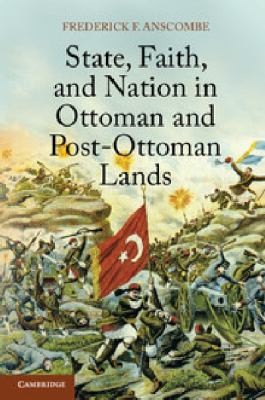
Current standard narratives of Ottoman, Balkan, and Middle East history overemphasise the role of nationalism in the transformation of the region. Challenging these accounts, this book argues that religious affiliation was in fact the most influential shaper of communal identity in the Ottoman era, that religion moulded the relationship between state and society, and that it continues to do so today in lands once occupied by the Ottomans. The book examines the major transformations of the past 250 years to illustrate this argument, traversing the nineteenth century, the early decades of post-Ottoman independence, and the recent past. In this way, the book affords unusual insights not only into the historical patterns of political development but also into the forces shaping contemporary crises, from the dissolution of Yugoslavia to the rise of political Islam
Menrva's Summary
THE THESIS
This book challenges prevailing historical narratives by asserting that religious affiliation, rather than nationalism, was the primary driver of communal identity and state-society relations in the Ottoman era and its successor states. The author, Frederick F. Anscombe, posits that understanding the enduring influence of religion is crucial for comprehending both historical political development and contemporary crises across the region. The book analyzes major transformations over the past 250 years, including the 19th century, the post-Ottoman period, and recent history, to substantiate its argument. This approach offers unique perspectives on the forces shaping current events, from the dissolution of Yugoslavia to the rise of political Islam.
THE SCOPE MAP
- Analysis of the Ottoman Empire's history over the past 250 years.
- Argument that religious affiliation was the dominant force in shaping communal identity.
- Examination of the role of religion in the relationship between state and society.
- Exploration of the continuing influence of religion in post-Ottoman lands.
- Case studies spanning the 19th century, early post-Ottoman independence, and the recent past.
- Insights into the historical patterns of political development.
- Contextualization of contemporary crises, including the dissolution of Yugoslavia and the rise of political Islam.
THE AUTHORITY PERSPECTIVE
The book challenges dominant historical interpretations by foregrounding religious affiliation as the key factor in shaping identity and state-society relations in the Ottoman sphere. Its chronological scope, spanning 250 years, allows for a detailed examination of historical transformations and their contemporary relevance. The author's argument provides a framework for understanding persistent regional issues, from geopolitical shifts to the influence of political Islam. This work offers a distinct perspective on the enduring power of religious identity in the Middle East and Balkans.
Page Count:
323
Publication Date:
2014-01-01
ISBN-10:
1107615232
ISBN-13:
9781107615236
Non-Fiction
History
Ottoman Empire
Community Tags
Similar Books