
Doing Oral History: A Practical Guide
0
0
As an Amazon Associate and affiliate partner, Menrva Books earns from qualifying purchases. Learn more
Author Description
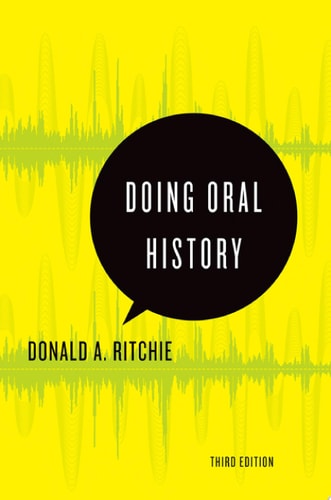
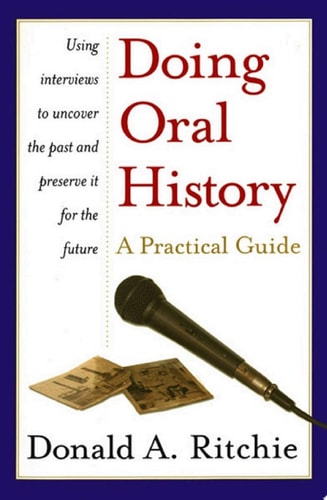
Oral history is vital to our understanding of the cultures and experiences of the past. Unlike written history, oral history forever captures people's feelings, expressions, and nuances of language. But what exactly is oral history? How reliable is the information gathered by oral history? And what does it take to become an oral historian? Donald A. Ritchie, a leading expert in the field, answers these questions and in particular, explains the principles and guidelines created by the Oral History Association to ensure the professional standards of oral historians.Doing Oral History has become one of the premier resources in oral history. It explores all aspects of the field, from starting an oral history project, including funding, staffing, and equipment to conducting interviews; publishing; videotaping; preserving materials; teaching oral history; and using oral history in museums and on the radio. In this second edition, the author has incorporated new trends and scholarship, updated and expanded the bibliography and appendices, and added a new focus on digital technology and the Internet. Appendices include sample legal release forms and information on oral history organizations.Doing Oral History is a definitive step-by-step guide that provides advice and explanations on how to create recordings that illuminate human experience for generations to come. Illustrated with examples from a wide range of fascinating projects, this authoritative guide offers clear, practical, and detailed advice for students, teachers, researchers, and amateur genealogists who wish to record the history of their own families and communities.
Menrva's Summary
THE THESIS
This book investigates the methodology, ethics, and practical application of oral history as a rigorous academic and archival discipline. Donald A. Ritchie, a prominent historian and former president of the Oral History Association, leverages decades of professional experience to demystify the process of capturing human memory. He presents a comprehensive framework that aligns individual research efforts with established professional standards, ensuring that recorded testimonies remain reliable and accessible for future historical analysis.
THE SCOPE MAP
What You Will Find
- Comprehensive project management strategies including funding, staffing, and equipment selection.
- Technical guidance on interviewing techniques, audio-visual recording, and digital preservation.
- Ethical and legal frameworks, including sample release forms and copyright considerations.
- Pedagogical applications for integrating oral history into classrooms, museums, and media projects.
THE AUTHORITY PERSPECTIVE
Experts and practitioners widely recognize this work as a foundational text for both academic researchers and community historians. Readers frequently note the clarity of the prose and the utility of the provided appendices for navigating the complexities of archival standards.
Page Count:
324
Publication Date:
2003-01-01
Publisher:
Oxford University Press
ISBN-10:
0199839700
ISBN-13:
9780199839704
Non-Fiction
History
Research Methods
Sociology
Reference
Community Tags
Other Editions(3)
Similar Books





Reader Comments
Share Your Thoughts
No comments yet. Be the first to share your thoughts!