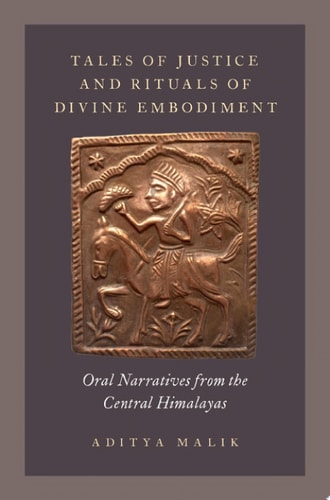
Tales of Justice and Rituals of Divine Embodiment
0
0
As an Amazon Associate and affiliate partner, Menrva Books earns from qualifying purchases. Learn more
Author Description
Based On Extensive Ethnographic Fieldwork Conducted In The Central Himalayan Region Of Kumaon, Tales Of Justice And Rituals Of Divine Embodiment Draws On Oral And Written Narratives, Stories, Testimonies, And Rituals Told And Performed In Relation To The God Of Justice, Goludev, And Other Regional Deities. The Book Seeks To Answer Several Questions: How Is The Concept Of Justice Defined In South Asia? Why Do Devotees Seek Out Goludev For The Resolution Of Matters Of Justice Instead Of Using The Secular Courts? What Are The Sociological And Political Consequences Of Situating Divine Justice Within A Secular, Democratic, Modern Context? Moreover, How Do Human Beings Locate Themselves Within The Indeterminateness And Struggles Of Their Everyday Existence? What Is The Place Of Language And Ritual In Creating Intimacy And Self? How Is Justice Linked To Intimacy, Truth, And Being Human? The Stories And Narratives In This Book Revolve Around Goludev's Own Story And Deeds, As Well As Hundreds Of Petitions (manauti) Written On Paper That Devotees Hang On His Temple Walls, And Rituals (jagar) That Involve Spirit Possession And The Embodiment Of The Deity Through Designated Mediums. The Jagars Are Powerful, Extraordinary Experiences, Mesmerizing Because Of Their Intensity But Also Because Of What They Imply In Terms Of How We Conceptualize Being Human With The Seemingly Limitless Potential To Shift, Alter, And Transform Ourselves Through Language And Ritual Practice. The Petitions, Though Silent And Absent Of The Singing, Drumming, And Choreography That Accompany Jagars, Are Equally Powerful Because Of Their Candid And Intimate Testimony To The Aspirations, Breakdowns, Struggles, And Breakthroughs That Circumscribe Human Existence.
Menrva's Summary
THE THESIS
This work investigates how the concept of justice is defined and practiced within the Central Himalayan region of Kumaon through the lens of divine intervention. Aditya Malik, an expert in the anthropology of religion, utilizes extensive ethnographic fieldwork to examine why devotees prioritize the deity Goludev over secular legal systems. The author constructs a framework that links ritual practice, oral narrative, and written petition to the broader human experience of seeking truth and intimacy in a modern, democratic context.
THE SCOPE MAP
What You Will Find
- Detailed analysis of the Goludev cult and regional Himalayan deities.
- Examination of the 'jagar' ritual involving spirit possession and divine embodiment.
- Study of 'manauti' petitions as primary source documents of human struggle.
- Exploration of the intersection between secular law and divine justice in South Asia.
THE AUTHORITY PERSPECTIVE
Scholars in the field of South Asian anthropology recognize this text for its rigorous ethnographic methodology and its nuanced treatment of ritual performance. Readers frequently note the academic density of the prose, which provides a profound look at how language and belief systems shape individual identity.
Page Count:
336
Publication Date:
2016-01-01
Publisher:
Oxford University Press
ISBN-10:
0199325111
ISBN-13:
9780199325115
Religion
Sociology
Anthropology
Ethnography
Community Tags
Similar Books