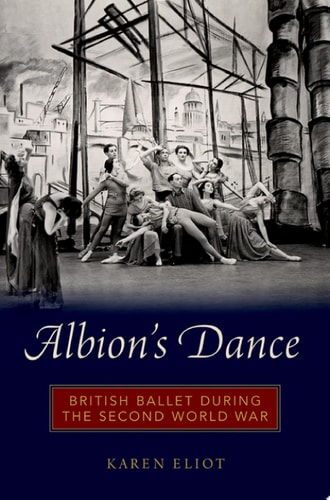
Albion's Dance
0
0
As an Amazon Associate and affiliate partner, Menrva Books earns from qualifying purchases. Learn more
Author Description
When The Second World War Broke Out, Ballet In Britain Was Only A Few Decades Old. Few Had Imagined That It Would Establish Roots In A Nation Long Thought To Be Unresponsive To Dance. Nevertheless, The War Proved To Be A Boon For Ballet Dancers, Choreographers And Audiences, For The Nation's Dancers Were Forced To Look Inward To Their Own Identity And Sources Of Creativity. As Author Karen Eliot Demonstrates In This Fascinating Book, Instead Of Withering During The Enforced Isolation Of War, Ballet In Britain Flourished, Exhibiting A Surprising Heterogeneity And Vibrant Populism That Moved Ballet Outside Its Typical Elitist Surroundings To Be Seen By Uninitiated, Often Enthusiastic Audiences. Ballet Was Thought To Help Boost Audience Morale, To Render Solace To The Soul-weary And To Afford Entertainment And Diversion To Those Who Simply Craved A Few Hours Of Distraction. Government Authorities Came To See That Ballet Could Serve As A Tool Of Propaganda; The Ways It Functioned Within The Larger Public Discourse Of Propaganda And Sacrifice, And How It Answered A Public Mood Of Pragmatism And Idealism, Are Also Topics In This Story Of The Development Of A National Ballet Identity. This Narrative Has Several Key Players-- Dance Critics, Male And Female Dancers, Producers, Audiences, And Choreographers. Exploring The So-called Ballet Boom During Wwii, The Larger Story Of This Book Is One Of How Art And Artists Thrive During Conflict, And How They Respond Pragmatically And Creatively To Privation And Duress.
Menrva's Summary
THE THESIS
This book investigates how British ballet managed to flourish and establish a national identity despite the severe constraints and isolation imposed by the Second World War. Author Karen Eliot examines the intersection of artistic production and wartime necessity, arguing that the conflict forced dancers and choreographers to cultivate a unique, populist identity that moved the art form beyond its traditional elitist boundaries. By analyzing the role of ballet as both a morale booster and a tool of government propaganda, Eliot demonstrates how creative industries adapt to privation and duress.
THE SCOPE MAP
What You Will Find
- An analysis of the British ballet boom during the Second World War.
- Examination of the interplay between artistic expression and government propaganda efforts.
- Case studies involving dancers, choreographers, producers, and dance critics of the era.
- Exploration of how wartime isolation fostered a distinct national identity for British dance.
THE AUTHORITY PERSPECTIVE
Scholars and dance historians frequently cite this work for its detailed look at the intersection of cultural policy and artistic survival during wartime. Readers often note the author's ability to balance the technical history of ballet with the broader sociological context of British life during the 1940s.
Page Count:
304
Publication Date:
2016-01-01
Publisher:
Oxford University Press
ISBN-10:
0199347638
ISBN-13:
9780199347636
History
British History
Dance
Community Tags
Similar Books