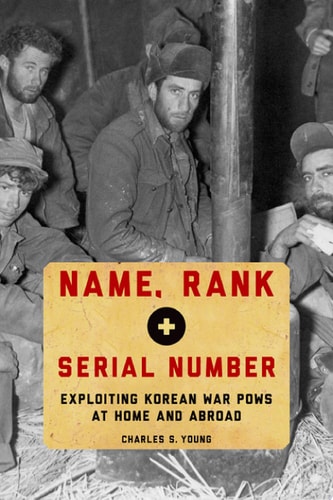
Name, Rank, and Serial Number: Exploiting Korean War POWs at Home and Abroad
0
0
As an Amazon Associate and affiliate partner, Menrva Books earns from qualifying purchases. Learn more
Author Description
Vietnam POWs came home heroes, but twenty years earlier their predecessors returned from Korea to shame and suspicion. In the Korean War American prisoners were used in propaganda twice, first during the conflict, then at home. While in Chinese custody in North Korea, they were pressured to praise their treatment and criticize the war. When they came back, the Department of the Army and cooperative pundits said too many were weaklings who did not resist communist indoctrination or "brainwashing." Ex-prisoners were featured in a publicity campaign scolding the nation to raise tougher sons for the Cold War. This propaganda was based on feverish exaggerations that ignored the convoluted circumstances POWs were put in, which decisions in Washington helped create.
Menrva's Summary
THE THESIS
This book investigates the systematic exploitation of Korean War prisoners of war as propaganda tools by both their captors and the United States government. Charles S. Young, a historian specializing in military and cultural studies, utilizes archival records and government documents to challenge the prevailing narrative of the era. He argues that the 'brainwashing' myth was a calculated political construct designed to shift blame from military leadership to the soldiers themselves, effectively using returning veterans to promote Cold War domestic agendas.
THE SCOPE MAP
What You Will Find
- Analysis of Chinese and North Korean propaganda efforts during the Korean War.
- Examination of the United States Department of the Army's post-war publicity campaigns.
- Primary source documentation regarding the treatment and interrogation of American POWs.
- A critical look at the political climate of the early Cold War and its impact on military policy.
THE AUTHORITY PERSPECTIVE
Historians and military scholars recognize this work as a significant revisionist study that clarifies the complex intersection of wartime captivity and domestic political messaging. Readers frequently note the academic density of the prose and the author's meticulous use of primary sources to dismantle long-standing myths about Korean War veterans.
Page Count:
248
Publication Date:
2014-01-01
Publisher:
Oxford University Press
ISBN-10:
0199381836
ISBN-13:
9780199381838
History
Public opinion
American History
Military History
Cold War
Korean War
Prisoners of War
Sociology
Community Tags
Similar Books