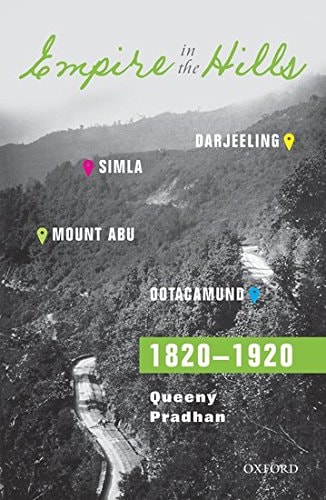
Empire in the Hills: Simla, Darjeeling, Ootacamund, and Mount Abu, 1820-1920
0
0
As an Amazon Associate and affiliate partner, Menrva Books earns from qualifying purchases. Learn more
Author Description
In the early phase of imperial domination, hill stations such as Simla, Darjeeling, Ootacamund, and Mount Abu were developed by the British to reflect a quintessentially European culture and ethos. Serving as recuperation sites for the sick and wounded, these hill spaces provided respite from the harsh climate of the plains. Adorned with sprawling bungalows and lush gardens, imposing churches and stately public buildings, the topography of such spaces was refashioned to reflect the multiple visions of this burgeoning empire.Moving away from the history of the plains, in Empire in the Hills Pradhan lays bare the yet untold narrative of resistance of the hills people against British domination. The book focuses on the three-point agenda of the colonizers: erasing indigenous histories, marginalizing hill inhabitants, and foisting a culture of leisure. In doing so, it also dwells on the ways in which an exercise of benevolent paternalism was carried out to recast the hill communities vis-a-vis their usefulness to the colonial capitalist enterprise. Drawn from a vast repertoire of oral and archival sources, this work probes the linkages between empire, space, and culture as it positions the poignant presence of the locals and puts forth a telling narrative of their world view.
Menrva's Summary
THE THESIS
This work investigates how British colonial powers transformed Indian hill stations into sites of cultural imposition and imperial control while simultaneously marginalizing indigenous populations. Queeny Pradhan, an expert in colonial history, utilizes a combination of archival records and oral histories to challenge the traditional narrative of hill stations as mere leisure retreats. She argues that these spaces were strategically refashioned to serve the colonial capitalist enterprise, effectively erasing local histories and imposing a European ethos upon the landscape.
THE SCOPE MAP
What You Will Find
- Historical analysis of Simla, Darjeeling, Ootacamund, and Mount Abu between 1820 and 1920.
- Examination of the colonial agenda regarding land use, leisure culture, and benevolent paternalism.
- Integration of oral testimonies from hill inhabitants alongside official British colonial archives.
- Critical assessment of how topography was manipulated to reflect imperial power structures.
THE AUTHORITY PERSPECTIVE
Scholars recognize this text as a significant contribution to the study of colonial spatial politics and the subaltern experience in India. Readers frequently note the meticulous use of archival sources to provide a voice to marginalized hill communities that were previously excluded from imperial histories.
Page Count:
456
Publication Date:
2017-12-30
Publisher:
Oxford University Press
ISBN-10:
0199463557
ISBN-13:
9780199463558
History
Sociology
Geography
Colonialism
Mountains
British
India
Cities And Towns
Great Britain
Community Tags
Similar Books