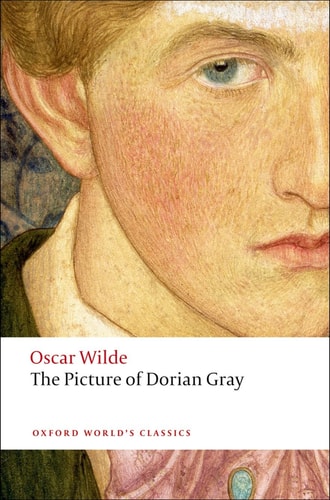
The Picture of Dorian Gray
0
0
As an Amazon Associate and affiliate partner, Menrva Books earns from qualifying purchases. Learn more
Author Description
Since its first publication in 1890, Oscar Wilde's only novel, The Picture of Dorian Gray, has remained the subject of critical controversy. Acclaimed by some as an instructive moral tale, it has been denounced by others for its implicit immorality. After having his portrait painted, Dorian Gray is captivated by his own beauty. Tempted by his world-weary friend, decadent friend Lord Henry Wotton, he wished to stay young forever and pledges his very soul to keep his good looks. As Dorian's slide into crime and cruelty progresses, he stays magically youthful, while his beautiful portrait changes, revealing the hideous corruption of moral decay. Set in fin-de-siécle London, the novel traces a path from the studio of painter Basil Howard to the opium dens of the East End. The text of this edition is derived from the Oxford English Texts, which prints acritically established version of the first book edition of 1891. Also included is a new, fuller introduction, which considers the difference between the 1890 and 1891 texts, Wilde's range of sources, significant critical approaches to the novel and its reputation since 1891, full explanatory notes that identify Wilde's sources, and an up-to-date-bibliography.About the Series: For over 100 years Oxford World's Classics has made available the broadest spectrum of literature from around the globe. Each affordable volume reflects Oxford's commitment to scholarship, providing the most accurate text plus a wealth of other valuable features, including expert introductions by leading authorities, voluminous notes to clarify the text, up-to-date bibliographies for further study, and much more.
Menrva's Summary
THE PULSE
Dorian Gray makes a Faustian bargain to retain his youth while his portrait bears the physical marks of his moral corruption. Driven by the hedonistic influence of Lord Henry Wotton, the protagonist seeks to preserve his aesthetic perfection at the cost of his conscience. The narrative follows his descent into depravity, contrasting his unchanging physical appearance with the grotesque transformation of his painted image. Wilde employs a third-person omniscient perspective to explore the tension between surface beauty and internal decay within the rigid social structures of late nineteenth-century London.
INSIDE THE PAGES
- Exploration of aestheticism and the philosophy of hedonism
- Use of the portrait as a supernatural mirror of the soul
- Vivid depictions of fin-de-siécle London social circles
- Dialogue-heavy scenes reflecting Victorian wit and cynicism
- Thematic focus on the consequences of vanity and moral isolation
- Shift in tone from artistic idealism to psychological horror
- Symbolism involving light, shadow, and the passage of time
- Examination of the duality between public reputation and private vice
THE COLLECTIVE ECHO
Discussion often centers on the novel's status as a critique of Victorian morality and its exploration of the relationship between art and the artist. Readers frequently highlight the sharp, aphoristic quality of the dialogue, particularly the exchanges involving Lord Henry Wotton. Critics often examine the evolution of the text between its 1890 and 1891 editions, noting how Wilde adjusted the narrative to address contemporary backlash. The work remains a focal point for debates regarding the ethics of aestheticism and the psychological toll of a life lived without consequence.
Page Count:
272
Publication Date:
2012-01-01
Publisher:
OXFORD
ISBN-10:
0199535981
ISBN-13:
9780199535989
Horror
Victorian
classic
Gothic
Philosophical
Community Tags
Other Editions(12)
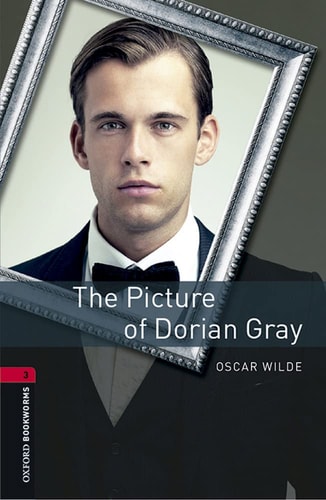
Oxford University Press España, S.A.
2016
Default edition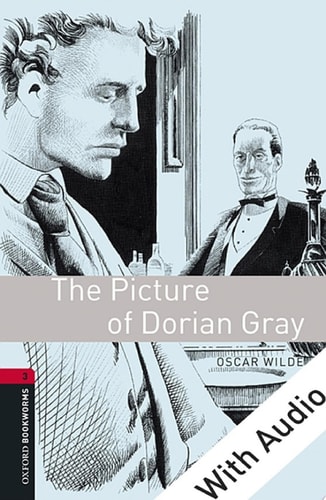
Oxford University Press
2014
Oxford University Press
2012
OXFORD
2012

W F Howes
2010
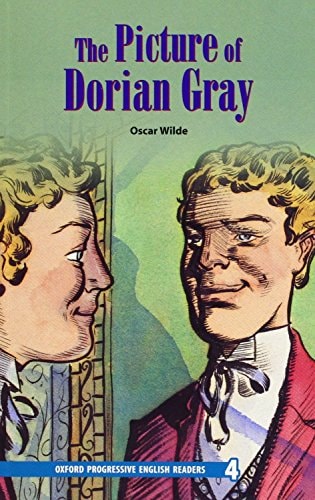
Oxford University Press España, S.A.
2008
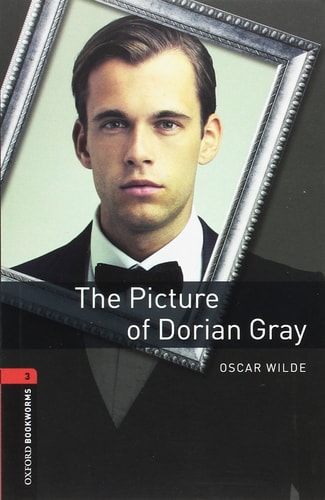
Oxford University Press
2008
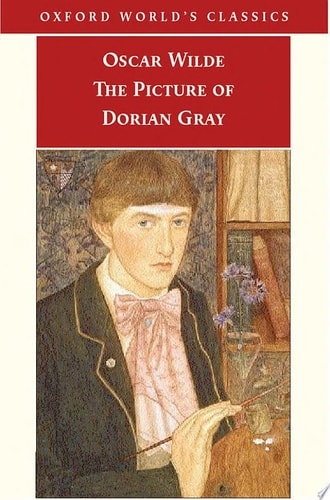
Oxford University Press
2006
2006
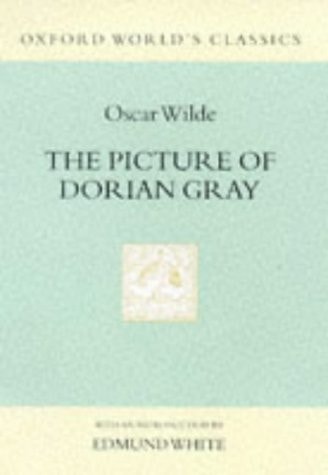
Oxford University Press
1999
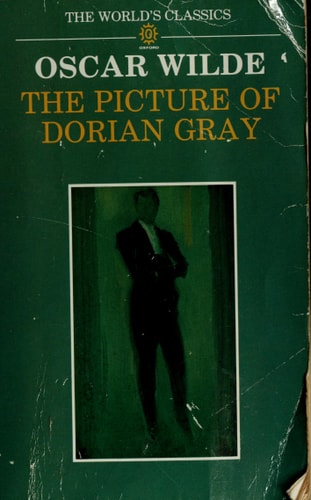
Oxford University Press
1982
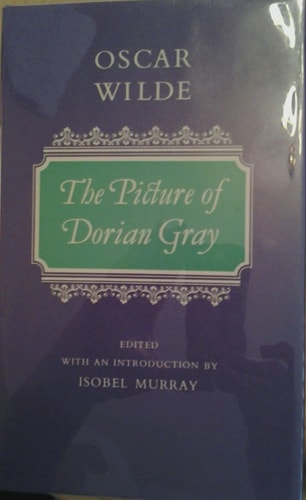
Oxford University Press
1974
Similar Books
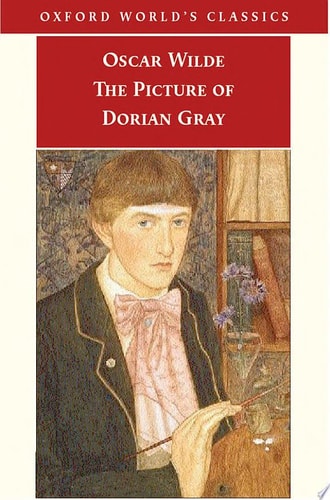
Reader Comments
Share Your Thoughts
No comments yet. Be the first to share your thoughts!