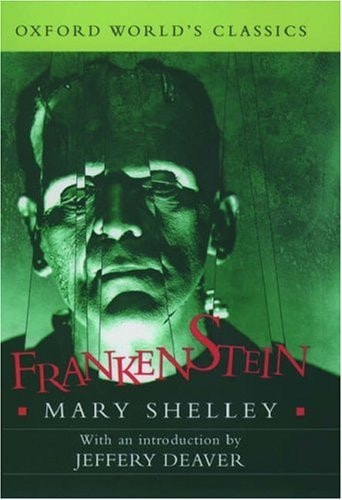
Frankenstein
0
0
As an Amazon Associate and affiliate partner, Menrva Books earns from qualifying purchases. Learn more
Author Description
Frankenstein ranks among the most enduring horror tales ever imagined. The groaning Monster, bolts erupting from his neck and stitches fastening his square brow, is famous worldwide. But the creature born in Mary Shelley's mind nearly two hundred years ago was far more complex: murderous and raging, but also articulate, lonely, and gravely misunderstood by the world into which he was thrust.The story of Victor Frankenstein emerges in a series of letters penned by Walton, an English explorer icebound in the Arctic. While studying natural philosophy in Geneva, Frankenstein discovers how to give life to inanimate matter, and from dead flesh constructs a living being. His Monster possesses superhuman speed and strength, and learns of human emotion by studying Goethe, Plutarch, and Milton's Paradise Lost. But as the creature's mind and thoughts develop, his loneliness and misery build, and he acts out in deadly violence. When the scientist refuses to create a companion for him, the Monster lets loose his full wrath. Berserk, he murders Frankenstein's wife, then flees to the North Pole. Frankenstein follows, desperate to destroy his rampaging creation. Once there he meets Walton and confesses the horror that is drawing him deep into the Arctic wasteland.Jeffery Deaver pours a suspense master's insight into his introduction, exploring the author's drive to thrill and terrify, and digging at the actual birthplace of Frankenstein's monster: Mary Shelley's mind. The author of sixteen novels, Deaver has appeared on bestseller lists around the world. His novel The Bone Collector was produced as a feature film by Universal Pictures starring Denzel Washington and Angelina Jolie, and his most recent novel, The Blue Nowhere, is being produced by Warner Brothers.
Menrva's Summary
THE PULSE
Victor Frankenstein’s obsession with conquering death results in the creation of a sentient being that he immediately abandons, triggering a cycle of vengeance and existential despair. Driven by a desire to unlock the secrets of natural philosophy, Frankenstein succeeds in animating dead matter, only to be horrified by the result of his labor. The narrative unfolds through an epistolary framework, primarily utilizing the letters of an Arctic explorer named Walton who encounters the exhausted scientist. As the creature navigates a world that rejects him, he develops a sophisticated intellect and a capacity for profound suffering, eventually forcing his creator into a lethal confrontation across the frozen wastes.
INSIDE THE PAGES
- Epistolary narrative structure utilizing letters and journals
- Exploration of the ethics of scientific discovery and unchecked ambition
- Integration of literary allusions to Milton, Goethe, and Plutarch
- Examination of the psychological impact of social isolation
- Contrast between the sublime beauty of nature and the grotesque nature of the creation
- Dual perspective shifting between the creator and the created
- Themes of parental abandonment and the responsibility of the maker
- Atmospheric setting ranging from the Swiss Alps to the Arctic wilderness
THE COLLECTIVE ECHO
Readers frequently highlight the stark contrast between the popular cultural image of the monster and the articulate, philosophical figure presented in the text. Discussion often centers on the moral ambiguity of Victor Frankenstein’s actions and whether the creature or the creator bears the ultimate burden of guilt. Critics emphasize the novel's role as a foundational work of science fiction that questions the limits of human knowledge. The pacing is noted for its shift from intellectual discovery to a relentless, tragic pursuit that spans vast geographical distances. Many readers find the creature's internal monologue to be the most compelling aspect of the narrative, providing a window into the consequences of total alienation.
Page Count:
224
Publication Date:
2001-11-01
Publisher:
Oxford University Press
ISBN-10:
0195149017
ISBN-13:
9780195149012
Horror
Science Fiction
classic
Frankenstein fictitious character fiction
Fiction - Horror
Philosophical
Gothic
Scientists fiction
Community Tags
Other Editions(38)
Independently published
2025
Default edition
Independently published
2025
Oxford University Press
2024

Independently published
2023
Independently published
2023
Independently published
2023

Independently published
2023

Independently published
2023

Independently published
2022

Independently published
2022

Independently Published
2022

Independently published
2022
Independently published
2022

Independently published
2022
Independently published
2022
Independently published
2021

Independently Published
2021

Independently Published
2021

Independently published
2021
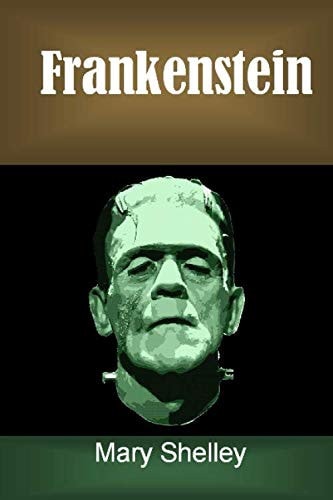
Independently published
2020
Independently Published
2019

Penguin Classics
2017
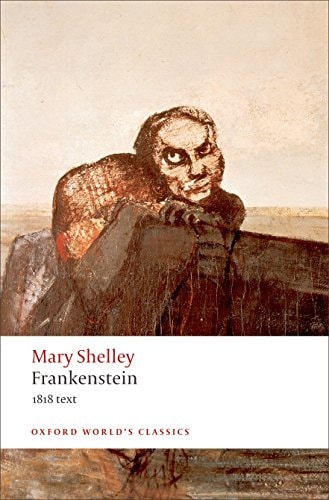
FisicalBook
2015

Ideenbrücke Verlag
2015
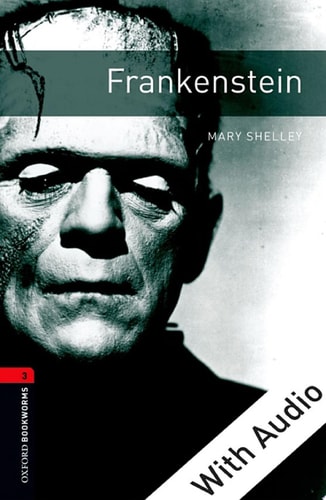
Oxford University Press
2014

CreateSpace Independent Publishing Platform
2012
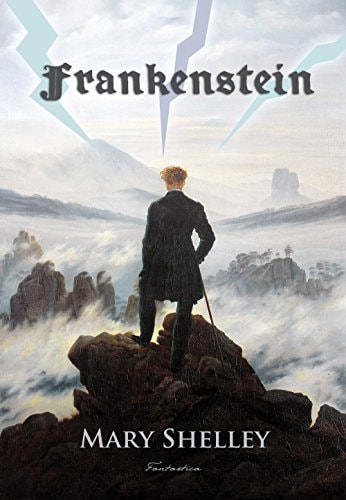
Fantastica
2012

Recorded Books, Inc.
2011
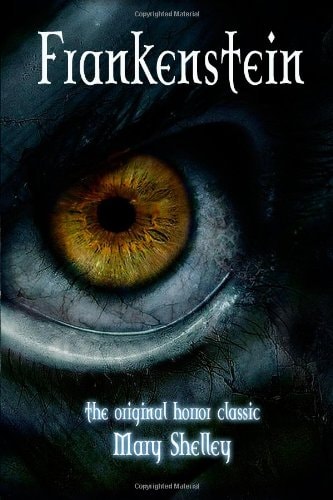
CreateSpace Independent Publishing Platform
2011

General Books LLC
2009

Ann Arbor Editions LLC
2008
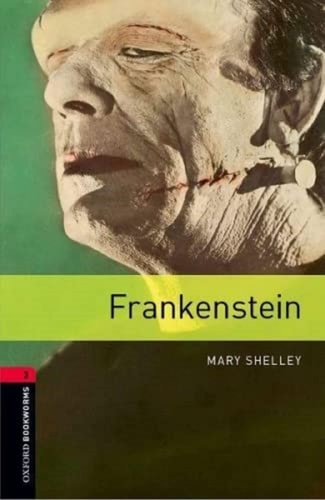
Oxford University Press
2007

Recorded Books, Inc.
2006

Hodder Audio
2006
Oxford University Press
2001
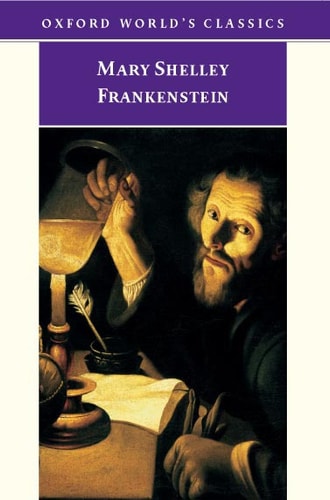
Oxford University Press, USA
1998

Lake Publishing Company
1994
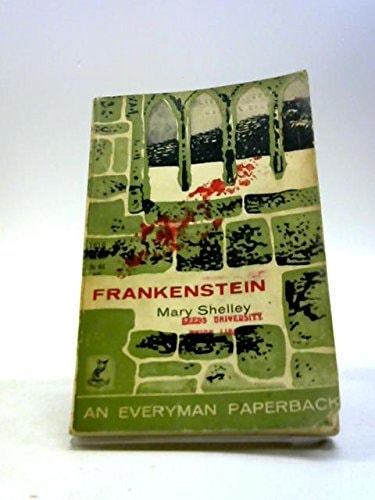
Scribner
1961
Similar Books
Reader Comments
Share Your Thoughts
No comments yet. Be the first to share your thoughts!