McTeague: A Story of San Francisco
0
0
As an Amazon Associate and affiliate partner, Menrva Books earns from qualifying purchases. Learn more
Author Description
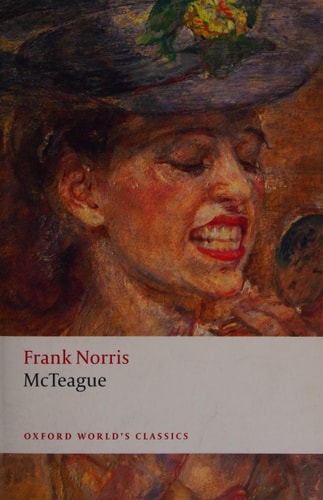
Inspired by an actual crime that was sensationalized in the San Francisco papers, this novel tells the story of charlatan dentist McTeague and his wife Trina, and their spiralling descent into moral corruption. Norris is often considered to be the "American Zola," and this passionate tale of greed, degeneration, and death is one of the most purely naturalistic American novels of the nineteenth century. It is also one of the first major works of literature set in California, and it provided the story for Erich von Stroheim's classic of the silent screen, Greed.About the Series: For over 100 years Oxford World's Classics has made available the broadest spectrum of literature from around the globe. Each affordable volume reflects Oxford's commitment to scholarship, providing the most accurate text plus a wealth of other valuable features, including expert introductions by leading authorities, voluminous notes to clarify the text, up-to-date bibliographies for further study, and much more.
Menrva's Summary
THE PULSE
A simple, hulking dentist finds his life unraveling when a sudden windfall of money triggers an obsessive, destructive greed in his wife. McTeague, a man of limited intellect and brute strength, operates an unlicensed dental practice in San Francisco until his marriage to Trina Sieppe introduces a volatile element of avarice into their lives. As Trina wins a lottery prize, the couple's relationship shifts from mundane domesticity to a toxic cycle of suspicion, hoarding, and physical violence. The narrative follows their inevitable decline, moving from the cramped urban quarters of the city to the harsh, unforgiving landscape of Death Valley. Norris employs a third-person omniscient perspective to observe the characters as if they were subjects in a biological experiment, emphasizing the influence of heredity and environment on human behavior.
INSIDE THE PAGES
- Detailed depiction of late nineteenth-century San Francisco urban life
- Exploration of the psychological effects of sudden wealth
- Use of deterministic philosophy to drive character choices
- Vivid, sensory descriptions of dental procedures and domestic squalor
- Gradual transition from urban realism to a desolate, survivalist setting
- Focus on the animalistic instincts beneath civilized veneers
- Examination of the intersection between class status and moral decay
- Symbolic use of objects, such as the gilded tooth sign, to represent status and ruin
THE COLLECTIVE ECHO
Readers and critics frequently identify this work as a definitive example of American naturalism, noting its unflinching look at the darker impulses of human nature. Discussion often centers on the stark contrast between the mundane, gritty reality of the city and the final, brutal confrontation in the desert. Many observers highlight the author's clinical, detached prose style, which mirrors the scientific observation of human degeneration. The novel is often analyzed for its commentary on the corrupting influence of money and the fragility of social structures. Scholars frequently point to the influence of European naturalists on the author's approach to character development and environmental determinism.
Page Count:
384
Publication Date:
2009-09-28
Publisher:
Oxford University Press
ISBN-10:
0199554897
ISBN-13:
9780199554898
Naturalism
Social Commentary
Criminals fiction
Married People
Realism
Fiction psychological
San Francisco
classic
Historical
Community Tags
Other Editions(5)


Similar Books