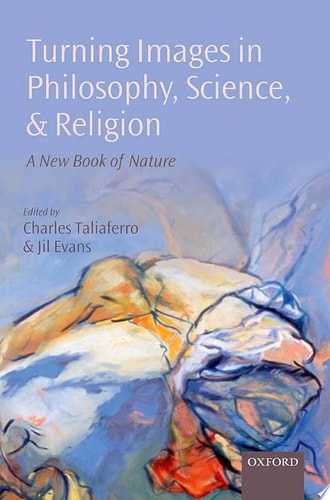
Turning Images in Philosophy, Science, and Religion: A New Book of Nature
0
0
As an Amazon Associate and affiliate partner, Menrva Books earns from qualifying purchases. Learn more
Author Description
The debate between "new atheists" and religious apologists today is often hostile. Turning Images is a book that sets a new tone by locating the debate between theism and naturalism (most "new atheists" are self-described "naturalists") in the broader context of reflection on imagination and aesthetics. The eleven original essays will be of interest to anyone who is fascinated by the power of imagination and the role of aesthetics in deciding between worldviews or philosophies of nature. Representing a variety of points of view, authors include outstanding philosophers of religion and of science, a distinguished art historian, and a visual artist.Martin Kemp begins the book by looking at D'Arcy Thompson's vision of the natural world, combining poetry and visual images to set the stage for thinking about nature along teleological or non-purposive lines. Geoffrey Gorham then offers an overview and analysis of the images of nature found in early modern science and philosophy. Anthony O'Hear takes up the problem of accounting for the origin of mind or consciousness, highlighting some of the limitations of Darwinian evolutionary biology in terms of values. Dale Jacquette offers a thoroughgoing, naturalistic account of the emergence of intentionality and a unique argument about the emergence of art and the aesthetic appreciation of nature. E.J. Lowe advances some difficulties facing a naturalist approach to mental life. Douglas Hedley offers a cognitive account of the imagination and also advances reasons why naturalism faces deep challenges. Daniel N. Robinson offers a sweeping account of nature and naturalism, historically engaging Aristotle, Kant, Hegel and others. Conor Cunningham provides a take-no-prisoners critique of contemporary naturalism. Gordon Graham investigates the resources of naturalism in accounting for our sense of the sacred. Mark Wynn provides a subtle account of the imagination and perception, suggesting how these may play into the theism - naturalism debate. The book concludes with Jil Evans' reflections on the Galapagos Islands, that key, almost mythic place that became instrumental in shaping Darwin's development of his theory of evolution.
Menrva's Summary
THE THESIS
This collection of essays investigates whether the divide between theism and naturalism can be better understood through the lens of imagination and aesthetics rather than purely hostile debate. The editors, Jil Evans and Charles Taliaferro, curate a multidisciplinary dialogue featuring philosophers of religion, scientists, and art historians. By examining how visual images and imaginative frameworks shape our perception of nature, the contributors challenge the standard argumentative tropes used by both religious apologists and contemporary naturalists.
THE SCOPE MAP
What You Will Find
- Historical analysis of nature imagery in early modern science and philosophy
- Philosophical critiques of naturalism regarding consciousness and intentionality
- Explorations of teleological versus non-purposive views of the natural world
- Case studies ranging from D'Arcy Thompson's biological visions to the works of Kant and Hegel
THE AUTHORITY PERSPECTIVE
Experts highlight this text as a sophisticated interdisciplinary resource for those seeking to move beyond the polarized rhetoric of the new atheism debate. Readers frequently note the academic density of the prose, which requires a foundational understanding of philosophy and history to fully appreciate the nuanced arguments presented.
Page Count:
256
Publication Date:
2011-12-17
Publisher:
Oxford University Press
ISBN-10:
0199563349
ISBN-13:
9780199563340
Philosophy
Science
Religion
Philosophy & Religion
Aesthetics
Naturalism
Theism
Evolution
Community Tags
Similar Books

Reader Comments
Share Your Thoughts
No comments yet. Be the first to share your thoughts!