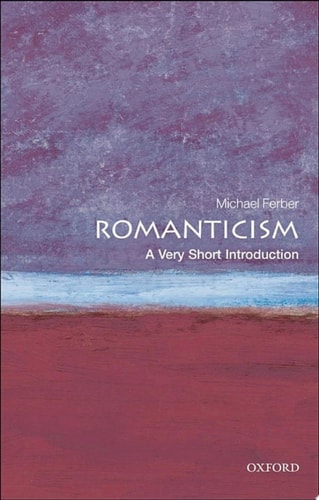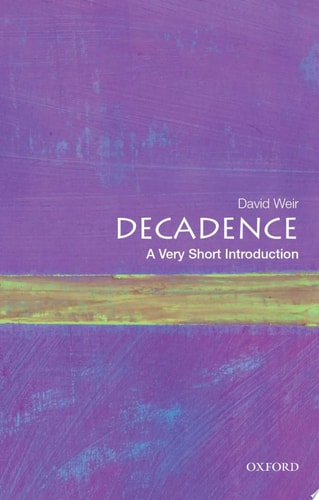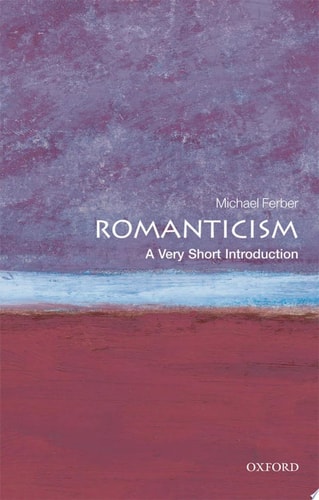
Romanticism: A Very Short Introduction
0
0
As an Amazon Associate and affiliate partner, Menrva Books earns from qualifying purchases. Learn more
Author Description
In this Very Short Introduction, Michael Ferber explores Romanticism during the period of its incubation, birth, and growth, covering the years roughly from 1760 to 1860. This is the only introduction to Romanticism that incorporates not only the English but the Continental movements, and not only literature but music, art, religion, and philosophy. Balancing lively details with intriguing topics, it sheds light on such subjects as the "Sensibility" movement, which preceded Romanticism; the rising prestige of the poet as inspired prophet; the suffering and neglect of the poet; the rather different figure of the "poetess"; Romanticism as a religious trend; Romantic philosophy and science; and Romantic responses to the French Revolution, the Orient, gypsies, and the condition of women. Ferber offers a definition and several general propositions about this very diverse movement, as well as a discussion of the word "Romantic" and where it came from. Finally, some two hundred authors or artists are cited or quoted, many at length, including Blake, Wordsworth, Coleridge, Byron, Shelley, Keats, Emerson, Hugo, Goethe, Pushkin, Beethoven, Berlioz, Chopin, and Delacroix.
Menrva's Summary
THE THESIS
What defines the complex, multifaceted movement of Romanticism that emerged in the late 18th century and shaped European and American culture for a century? Michael Ferber, a scholar of English literature and Romanticism, provides a concise analytical framework to examine the movement's origins, development, and diverse manifestations. By synthesizing historical, philosophical, and artistic evidence, Ferber argues that Romanticism represents a cohesive yet varied response to the rapid social and intellectual shifts of the era, including the French Revolution and the rise of industrialization.
THE SCOPE MAP
What You Will Find
- A comprehensive survey of the Romantic period spanning from 1760 to 1860.
- Analysis of cross-disciplinary influences including music, visual arts, religion, and philosophy.
- Comparative study of English and Continental European movements.
- Examination of key cultural archetypes such as the poet-prophet and the evolving status of women in the arts.
THE AUTHORITY PERSPECTIVE
Scholars and students frequently cite this text as an accessible yet rigorous entry point for understanding the breadth of the Romantic movement. Experts highlight the author's ability to synthesize a vast array of artistic and philosophical references into a coherent, manageable narrative.
Page Count:
168
Publication Date:
2010-01-01
Publisher:
Oxford University Press
ISBN-10:
019956891X
ISBN-13:
9780199568918
Philosophy
History
Romanticism
Art History
Literary Criticism