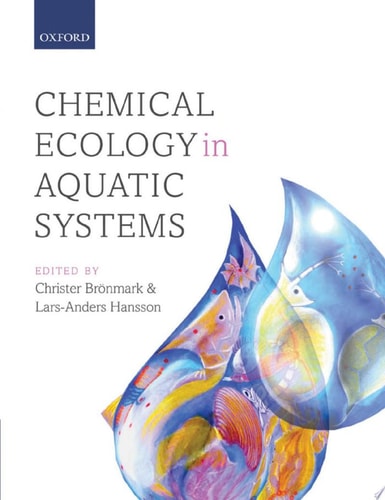
Chemical Ecology in Aquatic Systems
0
0
As an Amazon Associate and affiliate partner, Menrva Books earns from qualifying purchases. Learn more
Author Description
In recent years it has become increasingly clear that chemical interactions play a fundamental role in aquatic habitats and have far-reaching evolutionary and ecological consequences. A plethora of studies have shown that aquatic organisms from most taxa and functional groups respond to minute concentrations of chemical substances released by other organisms. However, our knowledge of this "chemical network" is still negligible. Chemical interactions can be divided into two larger sub-areas based on the function of the chemical substance. First, there are interactions where chemical substances are toxic to other organisms and are used as a defence against consumers (including both herbivores and predators) or a weapon against competitors (allelopathy). Second, chemical substances may be used as a source for information of the environment; for example: how can I find the optimal habitat, the best food, the nicest partner, and avoid being eaten? Aquatic organisms are able to detect and respond to extremely low concentrations of chemical cues to answer all these questions. The book aims at connecting these intriguing chemical interactions with traditional knowledge of organism interactions.Chemical Ecology of Aquatic Systems covers a wide range of studies, both plant and animal, from different geographic regions and habitats - pelagic as well as benthic. Most of the chemical interactions are similar in freshwater and marine habitats and this book therefore strives at integrating work on both systems.
Menrva's Summary
THE THESIS
This book investigates the fundamental role of chemical signaling and interactions in shaping the evolutionary and ecological dynamics of aquatic organisms. Christer Brönmark and Lars-Anders Hansson, both established researchers in aquatic ecology, synthesize current knowledge regarding how organisms across various taxa detect and respond to chemical cues. The text argues that these chemical networks are essential for understanding survival strategies, including defense mechanisms, competition, and habitat selection, thereby bridging the gap between chemical ecology and traditional organismal interaction studies.
THE SCOPE MAP
What You Will Find
- Analysis of chemical defense mechanisms including toxicity and allelopathy.
- Examination of chemical cues used for environmental navigation, foraging, and mate selection.
- Integration of research from both freshwater and marine habitats.
- Comparative studies covering a wide range of plant and animal taxa across diverse geographic regions.
THE AUTHORITY PERSPECTIVE
Experts recognize this work as a comprehensive synthesis that successfully integrates disparate studies into a cohesive framework for understanding aquatic chemical ecology. Readers frequently note the academic density of the prose, making it a foundational text for advanced students and researchers in the field.
Page Count:
336
Publication Date:
2012-05-04
Publisher:
Oxford University Press
ISBN-10:
0199583099
ISBN-13:
9780199583096
Science
Ecology
Biology
Community Tags
Other Editions(5)


Similar Books









Reader Comments
Share Your Thoughts
No comments yet. Be the first to share your thoughts!