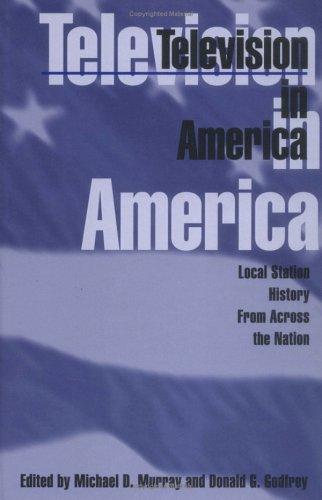
Television in America
0
0
As an Amazon Associate and affiliate partner, Menrva Books earns from qualifying purchases. Learn more
Author Description
Television in America examines the history of the industry from a local station perspective. Some interesting ramifications are: What would have happened to the ABC network without the support of its key station, WABC? What effect did KSL television have on the Mormon Church communication empire? Can stations in Atlanta and Orlando be credited with promoting a civil-rights agenda before it was politically correct? Would the Kefauver hearings have taken on as much national significance had it not been for the local coverage of WMAL-TV? Without the efforts of WEW's Dorothy Fieldheim and Nancy Craig at WABC, would women have been welcomed in the nation's newsrooms? The histories of the 20 television stations in this unique collection help answer these questions and set the stage for further inquiry.
Menrva's Summary
THE THESIS
This book investigates the pivotal role of local television stations in shaping the broader American media landscape and cultural discourse. The author, Michael D. Murray, draws on the histories of twenty specific television stations to explore their impact on network development, religious communication empires, the promotion of civil-rights agendas, and the national significance of political hearings. The narrative framework examines how these local entities influenced national narratives and societal progress before such topics were mainstream.
THE SCOPE MAP
- The history of the television industry from the perspective of local stations.
- Case studies of key stations and their influence on network development (e.g., WABC's impact on the ABC network).
- Examination of the role of stations in religious communication empires (e.g., KSL television and the Mormon Church).
- Analysis of stations promoting civil-rights agendas before it was politically mainstream.
- The impact of local coverage on national political events (e.g., Kefauver hearings and WMAL-TV).
- The role of women in newsrooms, highlighting figures like Dorothy Fieldheim and Nancy Craig.
- Setting the stage for further inquiry into the influence of local broadcasting.
THE AUTHORITY PERSPECTIVE
The book is presented as a unique collection of histories that serve to answer specific questions about the influence of local television stations. The author's approach suggests a focus on detailed case studies to illustrate broader trends in media history and cultural impact. The framing implies that these station histories provide foundational insights for understanding the development of television's role in American society and politics.
Page Count:
428
Publication Date:
1997-01-01
ISBN-10:
0813829690
History
Non-Fiction
Media Studies
Broadcasting
American Studies
Community Tags
Similar Books