Staging the Sacred: Performance in Late Ancient Liturgical Poetry
0
0
As an Amazon Associate and affiliate partner, Menrva Books earns from qualifying purchases. Learn more
Author Description
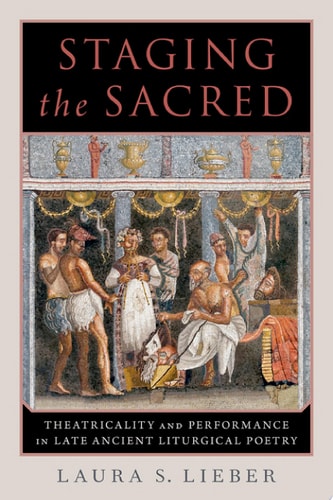
In This Volume, Christian, Jewish, And Samaritan Liturgical Poetry From Late Antiquity (ca. 3rd-4th C. Ce) Is Examined Not Only From Within The Context Of Religious Traditions Of Biblical Interpretation And Conventions Of Prayer But Also Through The Lenses Of Performance, Entertainment, And Spectacle. Recognizing That Liturgical Poets Were As Invested Engaging Their Listeners As Orators And Actors Were, This Study Analyses Hymnody As A Performative Genre Akin To Oratory And Theatre, The Two Primary Modes Of Public Performance From The Wider Societal Context. Attention To Liturgical Poetry's Theatricality Draws Our Attention To A Range Of Subjects, From How Biblical Stories Were Adapted To The Liturgical Stage, Much In The Way That The Classical Works Of Greco-roman Antiquity Were Themselves Popularized In This Late Antique Period; To The Adaptation Of Physical Techniques And Material Structures To Augment The Ability Of Performers To Engage Their Audiences. Specific Techniques Associated With Both Oratory And Acting In Antiquity Will Offer Concrete Means For Elucidating The Affinities Of Liturgical Presentations And Other Modes Of Performance: Indications Of Direct Address, For Example, And Apostrophe, As Well As The Creation Of Character Through Speech (ethopoeia); And Appeals To The Audience's Senses, Including Vivid Descriptions (ekphrasis), A Technique Especially Popular In Antiquity. A Serious Consideration Of Performance Also Demands That We Make The Difficult Leap To Imagining The World Beyond The Page. While Late Antique Hymnody Has Come Down To The Present Primarily In Textual Form, The Written Word Constitutes Something Quite Remote From The Actual Experience These Scripts Reflect. We Will Thus Attempt To Consider More Speculative But Recognizably Essential Elements Of These Works' Reception, Including Ways In Which Liturgical Poetry Could Have Borrowed From The Gestures And Body Language Of Oratory, Mime, And Pantomime, And How Poets May Have Used The Physical Spaces Of Performance And Accelerated Changes Visible In The Archaeological Record-- Provided By Publisher.
Menrva's Summary
THE THESIS
This volume investigates the intersection of late antique liturgical poetry and the performative traditions of oratory and theater to determine how religious texts functioned as public spectacle. Laura S. Lieber, a scholar of late antique religious literature, utilizes a comparative framework to analyze Christian, Jewish, and Samaritan hymnody. By examining these texts through the lens of performance studies, she argues that liturgical poets employed rhetorical and theatrical techniques to engage audiences in a manner similar to contemporary public speakers and actors.
THE SCOPE MAP
What You Will Find
- Comparative analysis of Christian, Jewish, and Samaritan liturgical poetry from the 3rd to 4th centuries CE.
- Application of classical rhetorical devices such as ethopoeia, apostrophe, and ekphrasis to religious hymnody.
- Examination of physical performance techniques, including gesture, body language, and the influence of mime and pantomime.
- Discussion of how biblical narratives were adapted for the liturgical stage.
Scope Limits
- The study does not provide a comprehensive history of all late antique religious music or liturgy.
- It does not offer definitive reconstructions of specific historical performances, as the primary evidence remains textual.
THE AUTHORITY PERSPECTIVE
Scholars recognize this work as a significant contribution to the study of late antique religious performance, noting its success in bridging the gap between textual analysis and theatrical practice. Readers frequently highlight the author's ability to contextualize liturgical poetry within the broader cultural framework of Greco-Roman public entertainment.
Page Count:
352
Publication Date:
2023-04-01
Publisher:
Oxford University Press, Incorporated
ISBN-10:
0190065478
ISBN-13:
9780190065478
History
Religion
Literary Criticism
Late Antiquity
Community Tags
Other Editions(2)
Similar Books



Reader Comments
Share Your Thoughts
No comments yet. Be the first to share your thoughts!