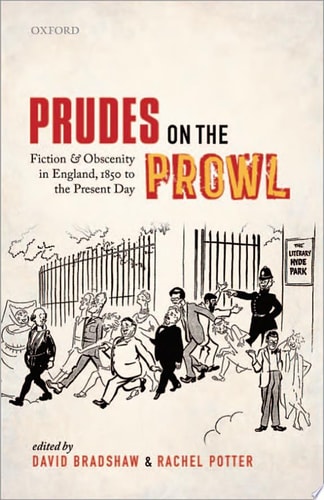
Prudes on the Prowl: Fiction and Obscenity in England, 1850 to the Present Day
0
0
As an Amazon Associate and affiliate partner, Menrva Books earns from qualifying purchases. Learn more
Author Description
This innovative book comprises nine essays from leading scholars which investigate the relationship between fiction, censorship and the legal construction of obscenity in Britain between 1850 and the present day. Each of the chapters focuses on a distinct historical period and each has something new to say about the literary works it spotlights. Overall, the volume fundamentally refreshes our understanding of the way texts had to negotiate the moral and legal minefields of public reception.The book is original in the historical period it covers, starting in 1850 and bringing debates about fiction, obscenity and censorship up to the present day. The history that is uncovered reveals the different ways in which censorship functioned and continues to function, with considerations of Statutory definitions of Obscenity alongside the activities of non-government organisations such as the anti-vice societies, circulating libraries, publishers, printers and commentators. The essays in this book argue that the vigour with which novels were hunted down by the prowling prudes of the book's title encouraged some writers to explore sexual, excremental and moral obscenities with even more determination. Bringing such debates up to date, the book considers the ongoing impact of censorship on fiction and the current state of critical thinking about the status and freedom of literature. Given contemporary debates about the limits on freedom of speech in liberal, secular societies, the interrogation of these questions is both timely and necessary.
Menrva's Summary
THE THESIS
This volume investigates the historical relationship between fiction, censorship, and the legal construction of obscenity in Britain from 1850 to the present day. Edited by David C. A. Bradshaw and Rachel Potter, the collection features nine essays from leading scholars who examine how authors navigated moral and legal constraints. The authors argue that the persistent efforts of anti-vice societies and regulatory bodies often paradoxically encouraged writers to explore transgressive themes with increased determination.
THE SCOPE MAP
What You Will Find
- Analysis of statutory definitions of obscenity across various historical periods.
- Examination of the influence exerted by non-government organizations, circulating libraries, and publishers.
- Case studies of specific literary works that faced censorship or moral scrutiny.
- Discussion of contemporary debates regarding freedom of speech and the status of literature in liberal societies.
THE AUTHORITY PERSPECTIVE
Experts identify this collection as a significant contribution to the study of literary history and the sociology of censorship. Readers frequently note the academic rigor of the essays and the clarity with which the contributors trace the evolution of moral policing in British publishing.
Page Count:
240
Publication Date:
2013-11-01
Publisher:
Oxford University Press
ISBN-10:
0199697566
ISBN-13:
9780199697564
History
Law and literature
British literature
Sociology
Literary Criticism
Censorship
Community Tags
Similar Books