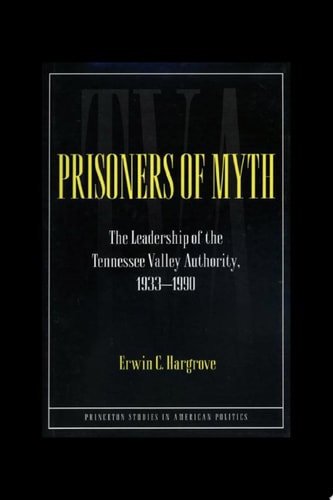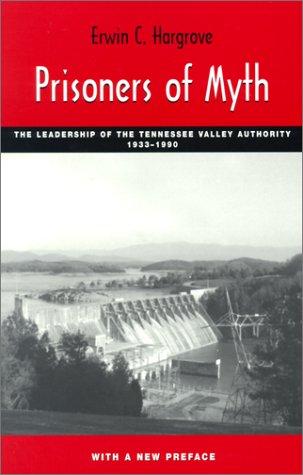
Prisoners of Myth
0
0
As an Amazon Associate and affiliate partner, Menrva Books earns from qualifying purchases. Learn more
Author Description
Prisoners of Myth is the first comprehensive history of the Tennessee Valley Authority from its creation to the present day. It is also a telling case study of organizational evolution and decline. Building on Philip Selznick's classic work TVA and the Grass Roots (1949), a seminal text in the theoretical study of bureaucracy, Erwin Hargrove analyzes the organizational culture of the TVA by looking at the actions of its leaders over six decades - from the heroic years of the New Deal and World War II through the postwar period of consolidation and growth to the time of troubles from 1970 onward, when the TVA ran afoul of environmental legislation, built a massive nuclear power program that it could not control, and sought new missions for which there were no constituencies. The founding myth of multipurpose regional development was inappropriately pursued in the 1970s and '80s by leaders who became "prisoners of myth" in their attempt to keep the TVA heroic. A decentralized organization, which had worked well at the grass roots, was difficult to redirect as the nuclear genii spun out of control, TVA autonomy from Washington, once a virtue, obscured political accountability. Based on rich interview materials and historical documents from TVA archives, this study develops an important new theory about institutional performance in the face of historical change.
Menrva's Summary
THE THESIS
The Tennessee Valley Authority's enduring legacy is examined through its organizational evolution and eventual decline. Erwin Hargrove traces the TVA's history from its New Deal origins to its struggles in the late 20th century, analyzing the actions of its leaders over six decades. The book explores how the founding myth of multipurpose regional development, once a strength, became a liability as leaders clung to it, becoming "prisoners of myth" while facing new challenges like environmental legislation and an uncontrolled nuclear power program. This study posits a new theory of institutional performance by examining how the TVA's decentralized structure and autonomy from Washington contributed to its difficulties in adapting to historical change.
THE SCOPE MAP
- A comprehensive history of the Tennessee Valley Authority (TVA) from its inception to the present day.
- An analysis of organizational evolution and decline, building on Philip Selznick's "TVA and the Grass Roots".
- Examination of the TVA's organizational culture through the actions of its leaders across different eras: New Deal, WWII, postwar consolidation, and the period of troubles from 1970 onward.
- Case study of the TVA's challenges with environmental legislation and its massive, unmanageable nuclear power program.
- Analysis of how leaders became "prisoners of myth" by pursuing outdated missions and failing to adapt to changing circumstances.
- Discussion of how TVA's decentralized structure and autonomy, once advantageous, obscured political accountability.
- Development of a new theory on institutional performance in the face of historical change.
- Based on rich interview materials and historical documents from TVA archives.
THE AUTHORITY PERSPECTIVE
This comprehensive history of the Tennessee Valley Authority is regarded as a significant case study in organizational evolution and decline. By analyzing the actions of TVA leaders over six decades, the book develops a new theory about institutional performance amidst historical change. The work is noted for its in-depth examination of how the TVA's founding myth and its decentralized structure contributed to its later difficulties. Based on extensive archival research and interviews, it offers a critical perspective on the challenges faced by large public organizations.
Page Count:
374
Publication Date:
2001-01-01
ISBN-10:
1572331178
ISBN-13:
9781572331174
Economics
Non-Fiction
History
Business
Government