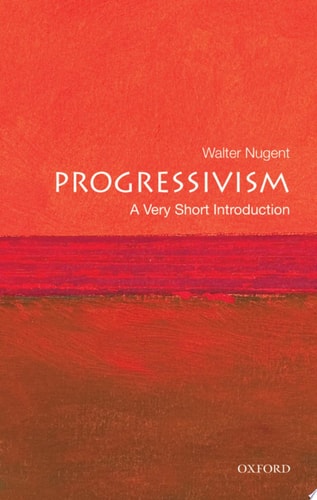
Progressivism: A Very Short Introduction
0
0
As an Amazon Associate and affiliate partner, Menrva Books earns from qualifying purchases. Learn more
Author Description
After decades of conservative dominance, the election of Barack Obama may signal the beginning of a new progressive era. But what exactly is progressivism? What role has it played in the political, social, and economic history of America? This very timely Very Short Introduction offers an engaging overview of progressivism in America--its origins, guiding principles, major leaders and major accomplishments. A many-sided reform movement that lasted from the late 1890s until the early 1920s, progressivism emerged as a response to the excesses of the Gilded Age, an era that plunged working Americans into poverty while a new class of ostentatious millionaires built huge mansions and flaunted their wealth. As capitalism ran unchecked and more and more economic power was concentrated in fewer and fewer hands, a sense of social crisis was pervasive. Progressive national leaders like William Jennings Bryan, Theodore Roosevelt, Robert M. La Follette, and Woodrow Wilson, as well as muckraking journalists like Lincoln Steffens and Ida Tarbell, and social workers like Jane Addams and Lillian Wald answered the growing call for change. They fought for worker's compensation, child labor laws, minimum wage and maximum hours legislation; they enacted anti-trust laws, improved living conditions in urban slums, instituted the graduated income tax, won women the right to vote, and laid the groundwork for Roosevelt's New Deal. Nugent shows that the Progressives--with the glaring exception of race relations--shared a common conviction that society should be fair to all its members and that governments had a responsibility to see that fairness prevailed. Offering a succinct history of the broad reform movement that upset a stagnant conservative orthodoxy, this Very Short Introduction reveals many parallels, even lessons, highly appropriate to our own time.
Menrva's Summary
THE THESIS
What defines the American Progressive movement, and how did its reform efforts reshape the nation's political and economic landscape? Walter Nugent, a distinguished historian, examines the origins and evolution of the Progressive Era, spanning from the late 1890s to the early 1920s. By analyzing the responses of political leaders and social activists to the excesses of the Gilded Age, Nugent provides a framework for understanding how this movement challenged conservative orthodoxy to establish foundational social and economic policies.
THE SCOPE MAP
What You Will Find
- Historical analysis of the reform movement between the 1890s and 1920s
- Profiles of key figures including Theodore Roosevelt, Jane Addams, and Robert M. La Follette
- Examination of legislative achievements such as anti-trust laws, labor regulations, and the graduated income tax
- Critical assessment of the movement's successes and its significant failures regarding race relations
THE AUTHORITY PERSPECTIVE
Experts and readers alike recognize this text as a concise and accessible entry point for understanding the complexities of American reform history. The prose is noted for its clarity, making it a standard resource for students and general readers seeking a foundational overview of the Progressive Era.
Page Count:
160
Publication Date:
2009-01-01
Publisher:
Oxford University Press
ISBN-10:
0199746559
ISBN-13:
9780199746552
History
Progressivism
Social Reform
American History
Community Tags
Other Editions(3)
Similar Books








Reader Comments
Share Your Thoughts
No comments yet. Be the first to share your thoughts!