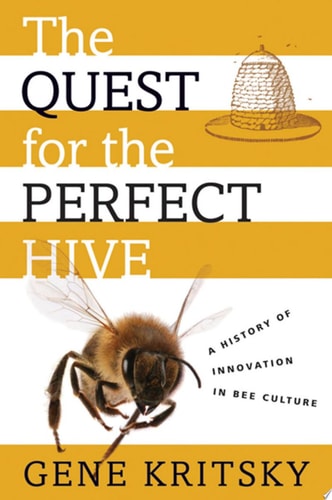
The Quest for the Perfect Hive
0
0
As an Amazon Associate and affiliate partner, Menrva Books earns from qualifying purchases. Learn more
Author Description
Beekeeping Is A Sixteen-billion-dollar-a-year Business. But The Invaluable Honey Bee Now Faces Severe Threats From Diseases, Mites, Pesticides, And Overwork, Not To Mention The Mysterious Colony Collapse Disorder, Which Causes Seemingly Healthy Bees To Abandon Their Hives En Masse, Never To Return. In The Quest For The Perfect Hive, Entomologist Gene Kritsky Offers A Concise, Beautifully Illustrated History Of Beekeeping, Tracing The Evolution Of Hive Design From Ancient Egypt To The Present. Not Simply A Descriptive Account, The Book Suggests That Beekeeping's Long History May In Fact Contain Clues To Help Beekeepers Fight The Decline In Honey Bee Numbers. Kritsky Guides Us Through The Progression From Early Mud-based Horizontal Hives To The Ascent Of The Simple Straw Skep (the Inverted Basket Which Has Been In Use For Over 1,500 Years), From Hive Design's Golden Age In Victorian England Up Through The Present. He Discusses What Worked, What Did Not, And What We Have Forgotten About Past Hives That Might Help Counter The Menace To Beekeeping Today. Indeed, While We Have Sequenced The Honey Bee Genome And Advanced Our Knowledge Of The Insects Themselves, We Still Keep Our Bees In Hives That Have Changed Little During The Past Century. If Beekeeping Is To Survive, Kritsky Argues, We Must Start Inventing Again. We Must Find The Perfect Hive For Our Times. For Thousands Of Years, The Honey Bee Has Been A Vital Part Of Human Culture. The Quest For The Perfect Hive Not Only Offers A Colorful Account Of This Long History, But Also Provides A Guide For Ensuring Its Continuation Into The Future.
Menrva's Summary
THE THESIS
Can the historical evolution of hive design provide the necessary innovations to combat the modern decline of honey bee populations? Entomologist Gene Kritsky examines the long-standing relationship between humans and honey bees, utilizing historical data to argue that modern beekeeping has stagnated in its structural development. By analyzing the successes and failures of past hive designs, the author posits that returning to a culture of innovation is essential for the survival of the industry.
THE SCOPE MAP
What You Will Find
- A chronological history of hive design from ancient Egyptian practices to modern industrial methods.
- Comparative analysis of structural designs including mud-based horizontal hives and straw skeps.
- Historical context regarding the golden age of hive design in Victorian England.
- Proposed methodologies for integrating past structural wisdom with contemporary biological knowledge to address colony collapse.
THE AUTHORITY PERSPECTIVE
Experts and readers alike recognize this work as a significant contribution to the history of apiculture. The text is frequently cited for its accessible synthesis of entomological history and practical agricultural challenges.
Page Count:
216
Publication Date:
2010-01-01
Publisher:
Oxford University Press
ISBN-10:
0199742383
ISBN-13:
9780199742387
Science
Nature
History
Entomology
Agriculture
Community Tags
Similar Books