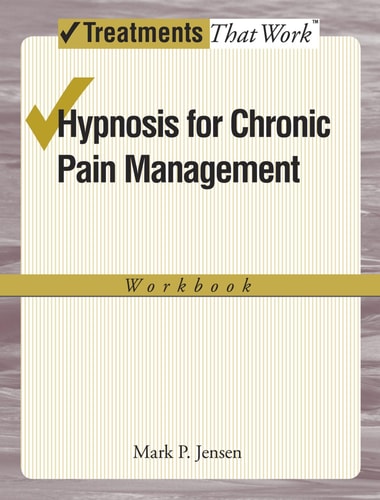
Hypnosis for Chronic Pain Management: Workbook
0
0
As an Amazon Associate and affiliate partner, Menrva Books earns from qualifying purchases. Learn more
Author Description
If you suffer from chronic pain, whether as a result of an injury, illness, or accident, you know it can interfere with every aspect of your life. You may also know the medical treatments currently available are limited and, for many, ineffective. Current research has shown hypnosis to be an effective treatment for managing chronic pain, and almost all patients who learn self-hypnosis skills benefit from this approach. The hypnosis treatment found in this workbook has been scientifically tested and proven effective for reducing the intensity of chronic pain, including migraines, back pain, and tension headaches, among others. This workbook explains how to use these techniques to manage your chronic pain and take back control of your life and your health.Used in combination with the program described in the corresponding therapist guide, this workbook teaches you self-hypnosis skills for lessening your pain, enhancing your sleep, and improving your mood. The first chapters will help you understand how hypnosis works by changing how your brain deals with information it receives from the body. The complete hypnosis treatment described in this book, alongside the treatment you receive from your clinician, will ultimately teach you skills for pain management that you can use at any time, and for the rest of your life.
Menrva's Summary
THE THESIS
This workbook investigates whether self-hypnosis techniques can serve as a scientifically validated intervention for individuals suffering from chronic pain. Dr. Mark P. Jensen, a recognized expert in pain research, utilizes clinical data and cognitive-behavioral principles to provide a structured framework for pain reduction. The book argues that by altering how the brain processes sensory information, patients can gain autonomy over their physical symptoms and improve overall quality of life.
THE SCOPE MAP
What You Will Find
- Evidence-based self-hypnosis exercises for managing migraines, back pain, and tension headaches.
- A structured methodology for integrating self-hypnosis with existing clinical treatments.
- Explanations of the neurological mechanisms behind pain perception and cognitive modulation.
- Practical tools for enhancing sleep quality and mood regulation alongside physical pain relief.
THE AUTHORITY PERSPECTIVE
Experts in the field of clinical hypnosis frequently cite this work as a foundational resource for both practitioners and patients seeking empirically supported interventions. Readers often note the clarity of the instructions, which bridge the gap between complex neurological theory and accessible daily practice.
Page Count:
147
Publication Date:
2011-04-05
Publisher:
Oxford University Press
ISBN-10:
019977238X
ISBN-13:
9780199772384
Health
Psychology
Hypnotism
Self Help
Chronic Pain