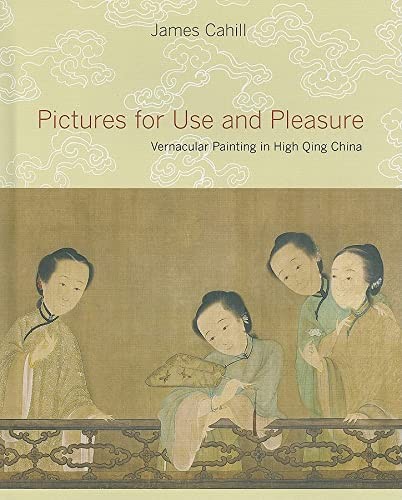
Pictures for Use and Pleasure
0
0
As an Amazon Associate and affiliate partner, Menrva Books earns from qualifying purchases. Learn more
Author Description
In this groundbreaking book. James Cahill significantly expands the field of Chinese pictorial art history with the first scholarly account of paintings for "use and pleasure" during the seventeenth and eighteenth centuries, from the end of the Ming through the Qianlong period. These functional, so-called vernacular works were produced by professional urban artists for affluent patrons. Traditional Chinese collectors disparaged these works, which were intended as decoration or produced to mark a special occasion, and favored the "literati" paintings of upper-class amateurs. But today the often stunning vernacular images strengthen our understanding of High Qing culture. They bring to light the Qing or Manchu emperors' fascination with erotic culture in the thriving cities of the Yangtze Delta and revise our understanding of gender roles. They also demonstrate the growth of figure painting within and around Beijing's imperial court and show that Chinese artists made important use of European styles. Pictures for Use and Pleasure introduces a rich corpus of work, long ignored in studies of the period's art, and opens new windows on later Chinese life and society --Book Jacket.
Menrva's Summary
THE THESIS
This book re-evaluates the significance of 'vernacular' Chinese painting from the 17th and 18th centuries, challenging traditional art historical hierarchies. James Cahill, a renowned scholar of Chinese art, presents the first scholarly account of paintings created for 'use and pleasure' by professional urban artists for affluent patrons during the late Ming through the Qianlong period. These works, often dismissed by traditional collectors in favor of literati paintings, are revealed to offer crucial insights into High Qing culture, including the Qing emperors' engagement with erotic culture, evolving gender roles, the growth of figure painting within the imperial court, and the adoption of European artistic styles.
THE SCOPE MAP
- A scholarly examination of 'vernacular' Chinese paintings from the 17th and 18th centuries.
- Analysis of works produced by professional urban artists for affluent patrons.
- Exploration of themes including erotic culture, gender roles, and imperial court art.
- Discussion of the influence of European styles on Chinese artists.
- Insights into later Chinese life and society through the lens of visual art.
- Focus on the period from the end of the Ming Dynasty through the Qianlong period.
THE AUTHORITY PERSPECTIVE
The book is lauded by critics as an outstanding, timely, and original contribution to the field of Chinese pictorial art history. Susan Nelson of Indiana University highlights Cahill's illumination of obscure artists, emerging styles, and regional traditions, noting the reader is left richly informed. Susan Mann emphasizes Cahill's success in bringing vernacular painting into legitimate art historical criticism, providing a more capacious grasp of Chinese pictorial art. The work is recognized for significantly expanding the understanding of High Qing culture and later Chinese society.
Page Count:
265
Publication Date:
2010-01-01
ISBN-10:
0520258576
ISBN-13:
9780520258570
Art
History
Non-Fiction
Art History
Qing Dynasty
18th century
17th Century
Chinese Art
Community Tags
Similar Books