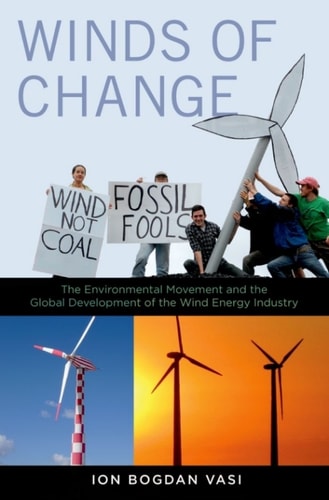
Winds of Change: The Environmental Movement and the Global Development of the Wind Energy Industry
0
0
As an Amazon Associate and affiliate partner, Menrva Books earns from qualifying purchases. Learn more
Author Description
In recent decades the global wind energy industry has undergone explosive growth, and there is still vast potential for wind to supply more of the world's energy. Though not only is wind power far from reaching its potential, its rise has been uneven and irregular. What factors influence the development of the wind energy industry, and why has it developed successfully in some places but not in others? In Winds of Change, Ion Bogdan Vasi argues that the development of wind energy is dependent not only on improvements in technology and economic forces, but also in large part on the efforts of the environmental movement. Vasi defines and analyses three pathways through which the environmental movement has contributed to industry growth: it has influenced the adoption and implementation of renewable energy policies, created consumer demand for clean energy, and changed the institutional logics of the energy sector. Vasi uses quantitative analysis to present the big picture of global wind power development, and qualitative research to understand why certain countries are world leaders in wind energy while others are relatively underdeveloped. Through interviews with renewable energy professionals and campaigners, he shows that environmental groups and activists participated actively in energy policymaking, pressured various organizations to purchase wind power, and formed new companies that specialized in wind-farm development. He also demonstrates that environmentalists contributed to wind turbine manufacturing by becoming entrepreneurs, innovators, and advocates. Winds of Change sheds much new light on how wind energy is adopted and why, and demonstrates how activists and social movements can contribute to the creation of new industries.
Menrva's Summary
THE THESIS
What factors influence the development of the wind energy industry, and why has it developed successfully in some places but not in others? Ion Bogdan Vasi, a sociologist specializing in social movements and organizational change, investigates the intersection of environmental activism and industrial growth. He argues that the expansion of wind energy is not merely a product of technological or economic advancement, but is fundamentally shaped by the strategic interventions of environmental movements that influence policy, demand, and institutional norms.
THE SCOPE MAP
What You Will Find
- Quantitative analysis of global wind power development trends across multiple nations.
- Qualitative research examining the specific pathways of environmental influence on energy policy.
- Primary source interviews with renewable energy professionals, campaigners, and industry entrepreneurs.
- A framework for understanding how social movements contribute to the creation and institutionalization of new industries.
THE AUTHORITY PERSPECTIVE
Experts in the fields of environmental sociology and energy policy recognize this work as a significant contribution to understanding the non-market drivers of industrial development. Readers frequently note the academic rigor of the text, which balances broad statistical data with detailed case studies to explain regional disparities in wind energy adoption.
Page Count:
264
Publication Date:
2011-01-01
Publisher:
Oxford University Press
ISBN-10:
0199842582
ISBN-13:
9780199842582
Economics
Public Policy
Sociology
Technology
Energy
Community Tags
Other Editions(3)

Similar Books















Reader Comments
Share Your Thoughts
No comments yet. Be the first to share your thoughts!