The Great Goddess
0
0
As an Amazon Associate and affiliate partner, Menrva Books earns from qualifying purchases. Learn more
Author Description
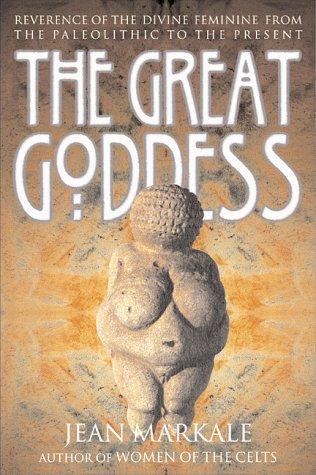
In ancient Babylon she was Anat, in Egypt, Isis and Hathor, Dana in Celtic Ireland, Rhea and Demeter in Greece, and in India, Anapurna the "Provider." She is the Great Goddess, the symbol of earth and the giver of life, the Vast Mother, who represented all the powers and mysteries of creation for our ancestors. In this comprehensive exploration of the Goddess figure, Jean Markale, one of today's foremost Celtic historians, examines how over time patriarchal societies tried to force the preeminent power of the feminine into an obscure and subservient position, shifting her solar association onto masculine deities and discrediting those of her symbols, like the serpent, that could not be easily assimilated. With its extensive investigation of all the myths, sites, and sanctuaries devoted to this influential figure, The Great Goddess provides us with abundant evidence of the extraordinary permanence of her worship--even at the heart of those religions that tried to destroy her. Markale explains how the Goddess did not simply disappear when her position was usurped, but went underground, resurfacing time and again in altered but distinctly recognizable forms. The great solar goddess of Celtic culture reappears as the mythical Grainne and in the well-known legend of Tristan and Iseult. Features of the primordial Lilith, relegated to darkness in rabbinical tradition, can be discerned in the incomprehensible Black Virgins of Christian sanctuaries. And one of the key figures of modern Christianity, the Virgin Mary, possesses all the characteristics of the ancient Mother Goddess: wisdom, beneficence, nurturance, and sacred sexuality. Whether in Ancient Egypt, the Roman Empire, Celtic Europe, or the present day, the goddess played, and continues to play, an integral part in society's need to connect with the source of all creation. Book jacket.--Jacket.
Menrva's Summary
THE THESIS
The Great Goddess investigates the enduring presence and transformation of the feminine divine across cultures and throughout history. Jean Markale, a renowned Celtic historian, explores how patriarchal societies attempted to diminish the power of the Great Goddess, associating her solar aspects with male deities and discrediting her symbols. The book meticulously examines myths, sites, and sanctuaries to demonstrate the persistent worship of this figure, even within religions that sought to suppress her. Markale argues that the Goddess did not vanish but rather went underground, reappearing in altered forms within later traditions and figures.
THE SCOPE MAP
- Exploration of the Great Goddess figure across various ancient civilizations including Babylon, Egypt, Celtic Ireland, Greece, and India.
- Analysis of how patriarchal societies attempted to subordinate the feminine divine and shift solar associations to masculine deities.
- Examination of the symbols associated with the Goddess, such as the serpent, and their assimilation or discrediting.
- Investigation of myths, sites, and sanctuaries dedicated to the Goddess to evidence the permanence of her worship.
- Traces the underground survival and reappearance of the Goddess in altered forms within later religious and cultural traditions.
- Connects features of the primordial Lilith to the Black Virgins of Christian sanctuaries.
- Identifies characteristics of the ancient Mother Goddess in figures like the Virgin Mary, including wisdom, beneficence, nurturance, and sacred sexuality.
- Demonstrates the integral role of the Goddess in society's connection to the source of creation across different eras and regions.
THE AUTHORITY PERSPECTIVE
This comprehensive exploration of the Great Goddess figure is presented by Jean Markale, a leading Celtic historian. The book meticulously details how patriarchal societies attempted to suppress the feminine divine, yet Markale provides extensive evidence of her enduring worship through an investigation of myths, sites, and sanctuaries. The work posits that the Goddess persisted by going underground, resurfacing in recognizable forms within later religious traditions and figures. The book's jacket suggests it offers abundant evidence of the extraordinary permanence of her worship, even within religions that sought her destruction.
Page Count:
266
Publication Date:
1999-01-01
ISBN-10:
0892817151
History
Religion
Non-Fiction
Mythology
Feminism
Community Tags
Similar Books