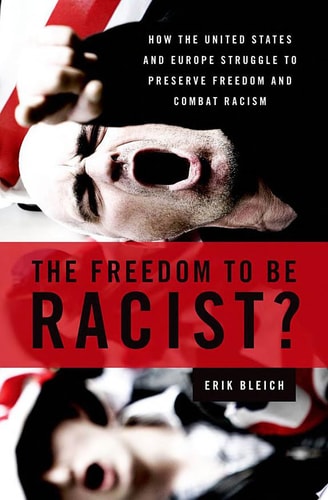
Freedom to Be Racist?: How the United States and Europe Struggle to Preserve Freedom and Combat Racism
0
0
As an Amazon Associate and affiliate partner, Menrva Books earns from qualifying purchases. Learn more
Author Description
We Love Freedom. We Hate Racism. But What Do We Do When These Values Collide? In This Wide-ranging Book, Erik Bleich Explores Policies That The United States, Britain, France, Germany, And Other Liberal Democracies Have Implemented When Forced To Choose Between Preserving Freedom And Combating Racism. Bleich's Comparative Historical Approach Reveals That While Most Countries Have Increased Restrictions On Racist Speech, Groups And Actions Since The End Of World War Ii, This Trend Has Resembled A Slow Creep More Than A Slippery Slope. Each Country Has Struggled To Achieve A Balance Between Protecting Freedom And Reducing Racism, And The Outcomes Have Been Starkly Different Across Time And Place. Building On These Observations, Bleich Argues That We Should Pay Close Attention To The Specific Context And To The Likely Effects Of Any Policy We Implement, And That Any Response Should Be Proportionate To The Level Of Harm The Racism Inflicts. Ultimately, The Best Way For Societies To Preserve Freedom While Fighting Racism Is Through Processes Of Public Deliberation That Involve Citizens In Decisions That Impact The Core Values Of Liberal Democracies.
Menrva's Summary
THE THESIS
This book investigates the inherent tension between the protection of free speech and the implementation of policies designed to combat racism within liberal democracies. Erik Bleich, a professor of political science, utilizes a comparative historical framework to analyze how various nations navigate the conflict between these two fundamental values. By examining legislative trends and policy shifts in the United States, Britain, France, and Germany, Bleich argues that societies must adopt context-specific, proportionate responses to racist harm rather than relying on blanket restrictions.
THE SCOPE MAP
What You Will Find
- Comparative analysis of anti-racism policies in the United States, Britain, France, and Germany.
- Historical examination of legislative trends regarding racist speech and actions since World War II.
- A framework for evaluating the proportionality of state interventions against racist expression.
- Recommendations for public deliberation as a mechanism for balancing democratic values.
THE AUTHORITY PERSPECTIVE
Experts recognize this work as a significant contribution to the comparative study of democratic governance and civil liberties. Readers frequently note the clarity of the author's historical analysis and the practical utility of his proposed framework for policy evaluation.
Page Count:
224
Publication Date:
2011-01-01
Publisher:
Oxford University Press, Incorporated
ISBN-10:
0199876452
ISBN-13:
9780199876457
History
Hate speech
Law europe
Human rights
Sociology
International relations
Law
United States
Community Tags
Similar Books