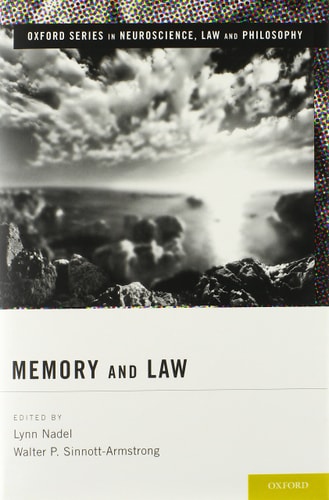
Memory and Law
0
0
As an Amazon Associate and affiliate partner, Menrva Books earns from qualifying purchases. Learn more
Author Description
The legal system depends upon memory function in a number of critical ways, including the memories of victims, the memories of individuals who witness crimes or other critical events, the memories of investigators, lawyers, and judges engaged in the legal process, and the memories of jurors. How well memory works, how accurate it is, how it is affected by various aspects of the criminal justice system -- these are all important questions. But there are others as well: Can we tell when someone is reporting an accurate memory? Can we distinguish a true memory from a false one? Can memories be selectively enhanced, or erased? Are memories altered by emotion, by stress, by drugs? These questions and more are addressed by Memory and Law, which aims to present the current state of knowledge among cognitive and neural scientists about memory as applied to the law.
Menrva's Summary
THE THESIS
This book investigates the intersection of cognitive neuroscience and the legal system to determine how memory reliability impacts judicial outcomes. Editors Lynn Nadel and Walter P. Sinnott-Armstrong compile contributions from leading researchers in psychology, neuroscience, and legal theory to examine the fallibility of human recollection. The text provides a framework for understanding how memory functions under stress and how legal practitioners can better interpret witness testimony and evidence.
THE SCOPE MAP
What You Will Find
- Analysis of memory accuracy in eyewitness testimony and victim reports.
- Examination of the biological and psychological factors that alter memory, including stress and emotional trauma.
- Discussion of the potential for memory enhancement or erasure through pharmacological or technological means.
- Evaluation of the legal implications of distinguishing between true and false memories in courtroom settings.
THE AUTHORITY PERSPECTIVE
Experts recognize this volume as a foundational interdisciplinary text that bridges the gap between laboratory science and courtroom practice. Readers frequently note the academic density of the prose, which is tailored for professionals and scholars interested in the intersection of law and cognitive science.
Page Count:
408
Publication Date:
2012-07-10
Publisher:
Oxford University Press
ISBN-10:
0199920753
ISBN-13:
9780199920754
Philosophy
Psychology
Memory
Neuroscience
Law
Community Tags
Similar Books