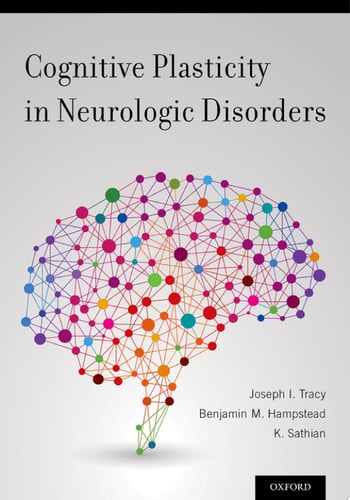
Cognitive Plasticity in Neurologic Disorders
0
0
As an Amazon Associate and affiliate partner, Menrva Books earns from qualifying purchases. Learn more
Author Description
Cognitive Plasticity in Neurologic Disorders describes and specifies the cognitive impact of neuroplastic processes in key neurologic disorders and syndromes. It is set apart from previous works in this area by its emphasis on the changing quality of neurocognition, demonstrating that this dynamic nature emerges from the neuroplastic processes at work in both mild and severe states of brain disease or injury. This resource describes the ways neurological illness or trauma (or attempts to treat patients with such conditions) can trigger neuroplastic mechanisms in the brain, inducing cognitive reorganization and remapping of brain networks.Each chapter shows how the cognitive and behavioral presentation of the disorder mirrors the changing neurobiologic context, and displays the numerous techniques being employed (e.g. behavior and rehabilitation therapies, electrical stimulation, and computer/machine neuromodulation of brain signals) underlying the neurobiology in ways that facilitate adaptive plasticity and cognitive recovery. An important feature of the book involves characterizing the degree to which the mechanistic principles governing neuroplastic responses and cognitive reorganization in the brain have been elucidated, making clear that it is these principles which will allow us to further develop rational rehabilitative therapies, match patients to appropriate treatments, and even begin to predict clinical treatment outcomes.
Menrva's Summary
THE THESIS
This text investigates how neuroplastic processes drive the dynamic changes in cognitive function observed across various neurologic disorders and injuries. The authors, Benjamin M. Hampstead, Joseph I. Tracy, and K. Sathian, synthesize current clinical research to argue that cognitive reorganization is a direct consequence of the brain's attempt to adapt to pathology. By mapping these biological shifts to behavioral outcomes, the authors provide a framework for understanding how brain networks remap in response to disease and therapeutic intervention.
THE SCOPE MAP
What You Will Find
- Analysis of neuroplastic mechanisms in both mild and severe brain trauma.
- Evaluation of rehabilitation techniques including electrical stimulation and computer-assisted neuromodulation.
- Examination of the relationship between neurobiologic context and behavioral presentation.
- Discussion of predictive models for clinical treatment outcomes.
Scope Limits
- The text focuses primarily on clinical and mechanistic applications rather than broad philosophical discussions of consciousness.
- It does not cover pediatric-specific neurodevelopmental disorders in depth, focusing instead on acquired neurologic conditions.
THE AUTHORITY PERSPECTIVE
Experts identify this work as a significant resource for clinicians and researchers seeking to bridge the gap between neurobiological theory and rehabilitative practice. Readers frequently note the technical density of the prose, which is tailored for professionals in the fields of neurology and neuropsychology.
Page Count:
424
Publication Date:
2014-01-01
Publisher:
Oxford University Press
ISBN-10:
0190205466
ISBN-13:
9780190205461
Neuroscience
Brain Injury
Rehabilitation
Medical
Allied Health
Neurology
Cognitive Psychology
Community Tags
Other Editions(3)

Similar Books








Reader Comments
Share Your Thoughts
No comments yet. Be the first to share your thoughts!