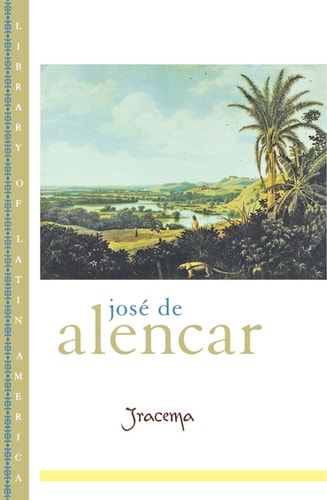
Iracema
0
0
As an Amazon Associate and affiliate partner, Menrva Books earns from qualifying purchases. Learn more
Author Description
Jose de Alencar's prose-poem Iracema, first published in 1865, is a classic of Brazilian literature--perhaps the most widely-known piece of fiction within Brazil, and the most widely-read of Alencar;s many works. Set in the sixteenth century, it is an extremely romantic portrayal of a doomed live between a Portuguese soldier and an Indian maiden. Iracema reflects the gingerly way that mid-nineteenth century Brazil dealt with race mixture and multicultural experience. Precisely because of its nineteenth-century romanticism, Iracema strongly contributed to a Brazilian sense of nationhood--contemporary Brazilian writers and literary critics still cite it as a foundation for their own work.
Menrva's Summary
THE PULSE
The central conflict arises from the forbidden and doomed love between a Portuguese colonizer and an indigenous Tabajara maiden, set against the backdrop of early colonial Brazil. The protagonist, Iracema, finds her loyalties and identity fractured by her attraction to Martim, a European soldier whose presence signals the inevitable encroachment of foreign influence upon her people. The narrative operates as a prose-poem, utilizing highly stylized, lyrical language to bridge the gap between myth and historical reality. The story explores the tension between individual desire and the larger forces of cultural assimilation and national formation.
INSIDE THE PAGES
- Lyrical, rhythmic prose-poem structure that emphasizes sensory imagery.
- Use of indigenous Tupi terminology to ground the setting in local reality.
- Romanticized depiction of the Brazilian landscape as a character in itself.
- Exploration of the 'noble savage' trope common to nineteenth-century literature.
- Symbolic representation of the birth of a new, mixed-race Brazilian identity.
- Non-linear, mythic pacing that prioritizes atmosphere over traditional plot progression.
- Focus on the tragic inevitability of cultural collision.
- Epistolary or diary-like reflections on the nature of love and loss.
THE COLLECTIVE ECHO
Readers and critics frequently discuss the work as a foundational pillar of Brazilian national identity. Discussion often centers on the author's use of romanticism to navigate the complex and often painful history of race mixture in the nineteenth century. While some modern readers find the prose style dense or overly ornate, others appreciate the rhythmic quality that elevates the narrative to a mythic status. The text remains a subject of intense academic scrutiny regarding its portrayal of indigenous cultures and its role in constructing a unified Brazilian narrative. It is widely recognized as a seminal piece of literature that continues to influence contemporary writers in the region.
Page Count:
177
Publication Date:
2000-01-01
Publisher:
Oxford University Press
ISBN-10:
0199938865
ISBN-13:
9780199938865
Poetry
Romance
Historical
classic
English & College Success
English
Community Tags
Other Editions(5)
Similar Books