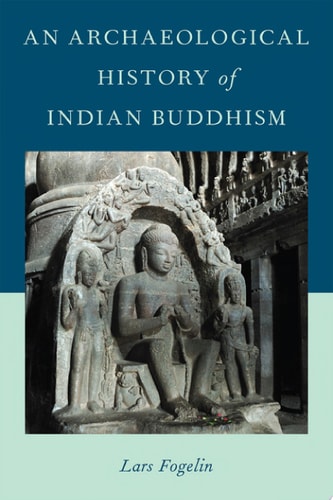
An Archaeological History of Indian Buddhism
0
0
As an Amazon Associate and affiliate partner, Menrva Books earns from qualifying purchases. Learn more
Author Description
An Archaeological History Of Indian Buddhism Is A Comprehensive Survey Of Indian Buddhism From Its Origins In The 6th Century Bce, Through Its Ascendance In The 1st Millennium Ce, And Its Eventual Decline In Mainland South Asia By The Mid-2nd Millennium Ce. Weaving Together Studies Of Archaeological Remains, Architecture, Iconography, Inscriptions, And Buddhist Historical Sources, This Book Uncovers The Quotidian Concerns And Practices Of Buddhist Monks And Nuns (the Sangha), And Their Lay Adherents--concerns And Practices Often Obscured In Studies Of Buddhism Premised Largely, If Not Exclusively, On Buddhist Texts. At The Heart Of Indian Buddhism Lies A Persistent Social Contradiction Between The Desire For Individual Asceticism Versus The Need To Maintain A Coherent Community Of Buddhists. Before The Early 1st Millennium Ce, The Sangha Relied Heavily On The Patronage Of Kings, Guilds, And Ordinary Buddhists To Support Themselves. During This Period, The Sangha Emphasized The Communal Elements Of Buddhism As They Sought To Establish Themselves As The Leaders Of A Coherent Religious Order. By The Mid-1st Millennium Ce, Buddhist Monasteries Had Become Powerful Political And Economic Institutions With Extensive Landholdings And Wealth. This New Economic Self-sufficiency Allowed The Sangha To Limit Their Day-to-day Interaction With The Laity And Begin To More Fully Satisfy Their Ascetic Desires For The First Time. This Withdrawal From Regular Interaction With The Laity Led To The Collapse Of Buddhism In India In The Early-to-mid 2nd Millennium Ce. In Contrast To The Ever-changing Religious Practices Of The Buddhist Sangha, The Buddhist Laity Were More Conservative--maintaining Their Religious Practices For Almost Two Millennia, Even As They Nominally Shifted Their Allegiances To Rival Religious Orders. This Book Also Serves As An Exemplar For The Archaeological Study Of Long-term Religious Change Through The Perspectives Of Practice Theory, Materiality, And Semiotics.
Menrva's Summary
THE THESIS
This book investigates the long-term evolution of Indian Buddhism by examining the tension between individual asceticism and the necessity of maintaining a coherent religious community. Lars Fogelin, an expert in the archaeology of religion, utilizes a multidisciplinary framework that integrates architectural analysis, iconography, epigraphy, and historical texts. By shifting the focus from canonical literature to material remains, the author argues that the Sangha's transition toward economic self-sufficiency and social withdrawal ultimately precipitated the decline of Buddhism in South Asia.
THE SCOPE MAP
What You Will Find
- A comprehensive chronological survey of Indian Buddhism from the 6th century BCE to the mid-2nd millennium CE.
- An application of practice theory, materiality, and semiotics to interpret archaeological data.
- Analysis of the shifting economic relationship between the monastic Sangha and their lay patrons.
- Comparative studies of monastic architecture and inscriptions to reveal daily religious practices.
THE AUTHORITY PERSPECTIVE
Scholars and students of religious history frequently cite this work as a significant contribution to the material study of Buddhism. The text is noted for its academic rigor and its ability to synthesize complex archaeological evidence into a coherent historical narrative.
Page Count:
400
Publication Date:
2015-01-01
Publisher:
Oxford University Press, Incorporated
ISBN-10:
0199948224
ISBN-13:
9780199948222
History
Religion
Buddhism
Archaeology
Buddhism india
Buddhism history
Community Tags
Other Editions(2)
Similar Books





Reader Comments
Share Your Thoughts
No comments yet. Be the first to share your thoughts!