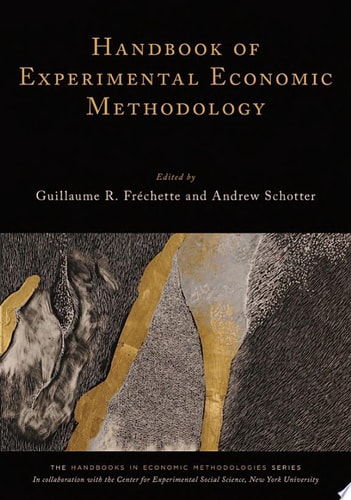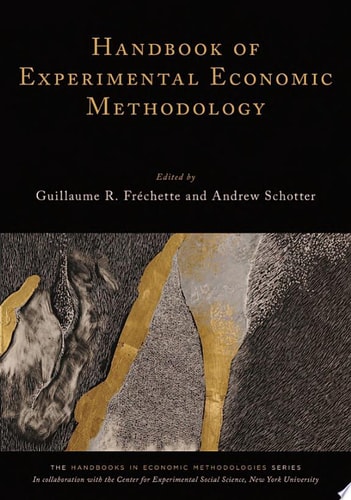
Handbook of Experimental Economic Methodology
0
0
As an Amazon Associate and affiliate partner, Menrva Books earns from qualifying purchases. Learn more
Author Description
The Handbook of Experimental Economic Methodology, edited by Guillaume R. Fréchette and Andrew Schotter, aims to confront and debate the issues faced by the growing field of experimental economics. For example, as experimental work attempts to test theory, it raises questions about the proper relationship between theory and experiments. As experimental results are used to inform policy, the utility of these results outside the lab is questioned, and finally, as experimental economics tries to integrate ideas from other disciplines like psychology and neuroscience, the question of their proper place in the discipline of economics becomes less clear.This book contains papers written by some of the most accomplished scholars working at the intersection of experimental, behavioral, and theoretical economics talking about methodology. It is divided into four sections, each of which features a set of papers and a set of comments on those papers. The intention of the volume is to offer a place where ideas about methodology could be discussed and even argued. Some of the papers are contentious---a healthy sign of a dynamic discipline---while others lay out a vision for how the authors think experimental economics should be pursued.This exciting and illuminating collection of papers brings light to a topic at the core of experimental economics. Researchers from a broad range of fields will benefit from the exploration of these important questions.
Menrva's Summary
THE THESIS
This volume investigates the foundational methodological challenges and theoretical tensions inherent in the practice of experimental economics. Edited by Guillaume R. Fréchette and Andrew Schotter, the text compiles contributions from prominent scholars to address the integration of experimental results into economic theory and public policy. The authors examine the discipline's evolving relationship with psychology and neuroscience, providing a platform for debate regarding the standards and future direction of experimental research.
THE SCOPE MAP
What You Will Find
- Methodological debates on the relationship between economic theory and laboratory experiments
- Analysis of the external validity of experimental results in policy applications
- Discussions on the integration of behavioral, psychological, and neuroscientific insights into economics
- A structured format featuring primary papers followed by critical commentary
Scope Limits
- The text does not serve as an introductory manual for conducting basic laboratory experiments
- It does not provide a comprehensive history of economic thought beyond the scope of experimental methodology
THE AUTHORITY PERSPECTIVE
Experts identify this collection as a significant resource for researchers navigating the intersection of theoretical and empirical economics. Readers frequently note the academic density of the prose, which is intended for scholars and advanced students engaged in rigorous methodological inquiry.
Page Count:
491
Publication Date:
2015-01-01
Publisher:
Oxford University Press
ISBN-10:
0190202173
ISBN-13:
9780190202170
Economics
Methodology
Macroeconomic Theory