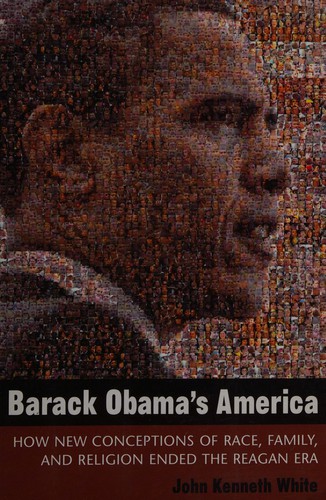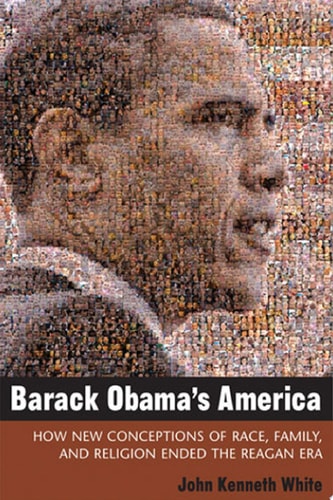
Barack Obama's America: How New Conceptions of Race, Family, and Religion Ended the Reagan Era
0
0
As an Amazon Associate and affiliate partner, Menrva Books earns from qualifying purchases. Learn more
Author Description
The election of Barack Obama to the presidency marked a conclusive end to the Reagan era, writes John Kenneth White in Barack Obama's America. Reagan symbolized a 1950s and 1960s America, largely white and suburban, with married couples and kids at home, who attended church more often than not. Obama's election marked a new era, the author writes. Whites will be a minority by 2042. Marriage is at an all-time low. Cohabitation has increased from a half-million couples in 1960 to more than 5 million in 2000 to even more this year. Gay marriages and civil unions are redefining what it means to be a family. And organized religions are suffering, even as Americans continue to think of themselves as a religious people. Obama's inauguration was a defining moment in the political destiny of this country, based largely on demographic shifts, as described in Barack Obama's America.
Menrva's Summary
THE THESIS
The election of Barack Obama signaled a definitive end to the Reagan era, ushering in a new America defined by profound demographic and social shifts. John Kenneth White, a political scientist, argues that Reagan represented a bygone era of a predominantly white, suburban, and traditionally religious America. Obama's presidency, however, reflects a nation undergoing significant transformations: the increasing diversity of the population, evolving definitions of family structures, and a complex relationship with organized religion. This book posits that these demographic and cultural changes are the primary drivers of this political transition.
THE SCOPE MAP
- Analysis of demographic shifts, including the projected decline of the white majority.
- Examination of changing family structures, including cohabitation, gay marriage, and civil unions.
- Discussion of the decline in organized religion alongside continued American religiosity.
- The argument that these societal changes mark the conclusive end of the Reagan era.
- Exploration of the political implications of these demographic and social transformations.
THE AUTHORITY PERSPECTIVE
This book is regarded as a significant analysis of the socio-political landscape that led to and was reshaped by Barack Obama's presidency. The author's focus on demographic trends, evolving family definitions, and religious shifts provides a framework for understanding the end of the Reagan era. The work is seen as a key text for comprehending the forces that have redefined American society and its political destiny. It offers a data-driven perspective on the nation's changing identity.
Page Count:
320
Publication Date:
2009-01-01
Publisher:
University of Michigan Press
ISBN-10:
0472900900
ISBN-13:
9780472900909
Non-Fiction
Politics
History
Sociology
Social Commentary
Demographics
American Studies
Community Tags
Similar Books