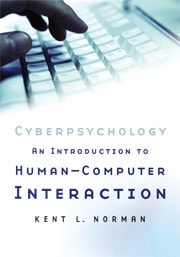
Cyberpsychology: An Introduction to Human-Computer Interaction
0
0
As an Amazon Associate and affiliate partner, Menrva Books earns from qualifying purchases. Learn more
Author Description
This textbook provides a comprehensive overview of the human-computer interface in clear, non-technical language, making it an ideal introduction for students of both psychology and computer science. Covering the past, present, and future developments in technology and psychology, it combines cutting-edge academic research with engaging illustrations and examples that show students how the material relates to their lives. Topics addressed include: human factors of input devices, and the basics of sensation and perception; memory and cognitive issues of users navigating their way through interfaces; communication via programming languages and natural speech interaction; cyberpathologies such as techno-stress and Internet addiction disorders; and challenges surrounding automation and artificial intelligence. This thoroughly updated second edition features new chapters on virtual reality and cybersecurity; expanded coverage of social media, mobile computing, e-learning, and video games; and end-of-chapter review questions that ensure students have mastered key objectives.
Menrva's Summary
THE THESIS
This textbook investigates the multifaceted relationship between humans and the digital world, exploring the psychological underpinnings of our interaction with technology. Authored by Kent L. Norman, a recognized expert in the field, this work synthesizes current academic research with accessible explanations and illustrative examples. It examines how cognitive processes like perception, memory, and communication are affected by and shape our engagement with interfaces, from input devices to natural language processing. The book critically analyzes emerging cyberpathologies and the challenges posed by automation and artificial intelligence, offering a comprehensive perspective on the evolving landscape of human-computer interaction.
THE SCOPE MAP
- Foundational principles of human factors in interface design, including input devices and sensory perception.
- Analysis of cognitive processes such as memory and user navigation through digital environments.
- Exploration of communication modalities, including programming languages and natural speech interaction.
- Discussion of cyberpathologies, including techno-stress and Internet addiction disorders.
- Examination of challenges related to automation and artificial intelligence.
- New chapters on virtual reality and cybersecurity.
- Expanded coverage of social media, mobile computing, e-learning, and video games.
THE AUTHORITY PERSPECTIVE
This textbook is designed as a comprehensive introduction to cyberpsychology and human-computer interaction, suitable for students in both psychology and computer science. Its approach combines academic research with practical examples and illustrations to make complex topics accessible. The updated second edition incorporates recent developments in virtual reality, cybersecurity, social media, and mobile computing, indicating an effort to remain current with technological advancements. The inclusion of end-of-chapter review questions suggests a pedagogical focus aimed at reinforcing student comprehension of key concepts.
Page Count:
553
Publication Date:
2017-03-16
Publisher:
Cambridge University Press
ISBN-10:
1107500559
ISBN-13:
9781107500556
Science
Non-Fiction
Computer Science
Cognitive Psychology
Technology
Social Media
Cybersecurity
Community Tags
Other Editions(3)

Similar Books