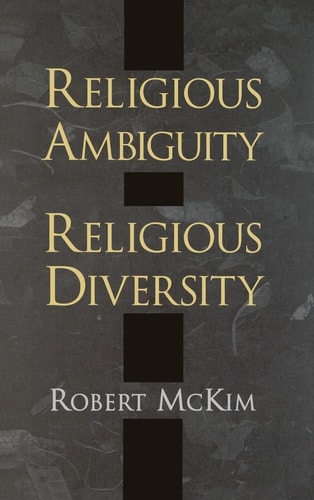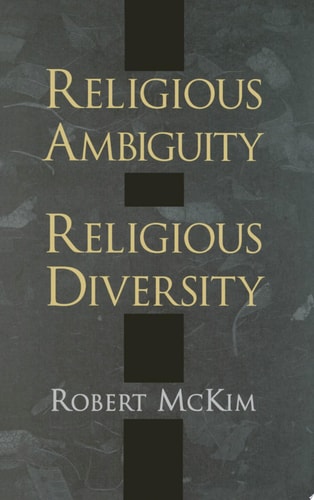
Religious Ambiguity and Religious Diversity
0
0
As an Amazon Associate and affiliate partner, Menrva Books earns from qualifying purchases. Learn more
Author Description
The religious ambiguity of the world has many aspects, one of which is the hiddenness of God. Theists have proposed a number of explanations of God's hiddenness. Some putative explanations contend that the advantages of God's hiddenness ("goods of mystery") outweigh whatever benefits would result if God's existence and nature were clear to us ("goods of clarity"). Goods of mystery that have received a lot of discussion include human moral autonomy and the ability on our part to exercise control over whether we believe in the existence of God. The extent of the ambiguity that surrounds God's existence, and indeed all important religious matters, combined with our lack of an obviously correct and adequate explanation of this lack, suggest that, even if God exists, it is not important that people believe in God. Another central theme in the book is the significance of religious diversity for religious belief. The character of this diversity is such that it provides people who take a position on religious matters with reason to adopt the "Critical Stance" -- which requires people in all the religious traditions to subject their religious beliefs to critical scrutiny and hold those beliefs in a tentative way.Some contend that religious faith requires complete confidence in what is believed but tentative belief actually is sufficient to sustain many forms of religious commitment.
Menrva's Summary
THE THESIS
This book investigates the implications of religious ambiguity and the existence of diverse, conflicting religious traditions for the nature of faith and belief. Robert McKim, a professor of philosophy, utilizes analytical philosophical frameworks to evaluate the hiddenness of God and the epistemic challenges posed by global religious pluralism. He argues that the lack of clear evidence for religious claims necessitates a shift toward a more critical and tentative approach to personal faith.
THE SCOPE MAP
What You Will Find
- Analysis of the 'goods of mystery' versus 'goods of clarity' regarding divine hiddenness
- Examination of the 'Critical Stance' as a response to religious diversity
- Philosophical arguments concerning moral autonomy and belief formation
Scope Limits
- The text does not provide a comparative study of specific religious doctrines or rituals
- It does not attempt to resolve the truth claims of any particular religion
THE AUTHORITY PERSPECTIVE
Scholars in the philosophy of religion recognize this work as a significant contribution to the discourse on religious epistemology and the ethics of belief. Readers frequently note the academic density of the prose, which requires a strong background in philosophical argumentation to fully grasp the nuances of the author's position.
Page Count:
300
Publication Date:
2015-04-01
Publisher:
Oxford University Press
ISBN-10:
0190221267
ISBN-13:
9780190221263
Epistemology
Religion
Ethics
Theology
Philosophy of