ABC of Architecture
0
0
As an Amazon Associate and affiliate partner, Menrva Books earns from qualifying purchases. Learn more
Author Description
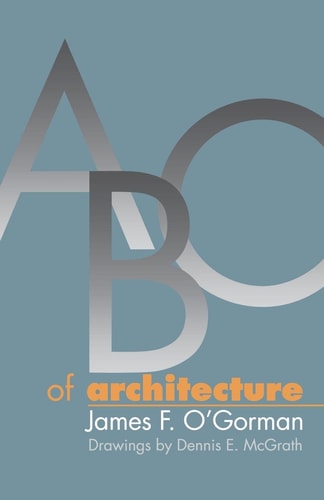
ABC of Architecture James F. O'Gorman. Drawings by Dennis E. McGrath "May be the best-written work on the subject."--New York Times "Thank goodness for James F. O'Gorman, who has given us this refreshingly clear guide to the indispensable convergence of art and science we call architecture."--Forbes "[O'Gorman's] mastery of the subject shows in his straightforward, lucid prose."--Publishers Weekly "James O'Gorman's ABC of Architecture takes its rightful place among the few paragons this century of clear and direct introductions to the field."--Robert Venturi ABC of Architecture is an accessible, nontechnical introduction to architectural structure, history, and criticism. Author James F. O'Gormon moves seamlessly from a discussion of the most basic inspiration for architecture (the need for shelter from the elements), to an exploration of space, system, and material, and, finally, to an examination of the language and history of architecture. He shows the nonspecialist how to read a design in plans, sections, and elevations, and how architects, like other artists, make creative use of space and light. James F. O'Gorman is Grace Slack McNeil Professor of the History of American Art at Wellesley College and author of more than a dozen books on architecture and art history, including Connecticut Valley Vernacular: The Vanishing Landscape and Architecture of the New England Tobacco Fields, also available from the University of Pennsylvania Press. 1997 144 pages 5 1/2 x 8 1/2 53 illus. ISBN 978-0-8122-1631-8 Paper $16.95s £11.50 World Rights Architecture
Menrva's Summary
THE THESIS
The book serves as an accessible, nontechnical introduction to the fundamental principles of architectural structure, history, and criticism. It moves from the basic human need for shelter to explorations of space, system, and material, culminating in an examination of architectural language and history. The author guides the nonspecialist in interpreting designs through plans, sections, and elevations, illustrating how architects creatively employ space and light, much like other artists.
THE SCOPE MAP
- Introduction to architectural structure, history, and criticism.
- Exploration of the basic inspiration for architecture: the need for shelter.
- Discussion of space, system, and material in design.
- Examination of the language and history of architecture.
- Guidance on reading architectural designs in plans, sections, and elevations.
- Analysis of how architects use space and light creatively.
THE AUTHORITY PERSPECTIVE
The book is highly regarded by major publications, with the New York Times calling it potentially the best-written work on the subject. Forbes praises its clear guide to the convergence of art and science in architecture, while Publishers Weekly commends the author's straightforward, lucid prose. Robert Venturi places it among the few paragons of clear and direct introductions to the field in this century.
Page Count:
127
Publication Date:
1997-01-01
Publisher:
University of Pennsylvania Press
ISBN-10:
0812216318
ISBN-13:
9780812216318
History
Architecture
Art
Non-Fiction
Art History
Community Tags
Other Editions(3)

Similar Books








Reader Comments
Share Your Thoughts
No comments yet. Be the first to share your thoughts!