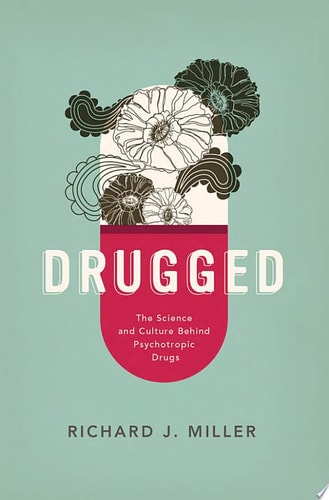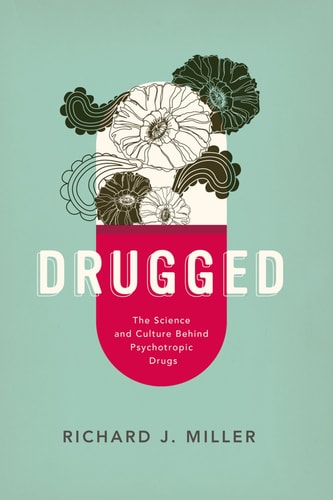
Drugged: The Science and Culture Behind Psychotropic Drugs
0
0
As an Amazon Associate and affiliate partner, Menrva Books earns from qualifying purchases. Learn more
Author Description
"Morphine," writes Richard J. Miller, "is the most significant chemical substance mankind has ever encountered." So ancient that remains of poppies have been found in Neolithic tombs, it is the most effective drug ever discovered for treating pain. "Whatever advances are made in medicine," Miller adds, "nothing could really be more important than that." And yet, when it comes to mind-altering substances, morphine is only a cc or two in a vast river that flows through human civilization, ranging LSD to a morning cup of tea.In DRUGGED, Miller takes readers on an eye-opening tour of psychotropic drugs, describing the various kinds, how they were discovered and developed, and how they have played multiple roles in virtually every culture. The vast scope of chemicals that cross the blood-brain barrier boggle the very brain they reach: cannabis and cocaine, antipsychotics and antidepressants, alcohol, amphetamines, and Ecstasy-and much more. Literate and wide-ranging, Miller weaves together science and history, telling the story of the undercover theft of 20,000 tea plants from China by a British spy, for example, the European discovery of coffee and chocolate, and how James Wolfgang von Goethe, the famous man of letters, first isolated the alkaloid we now know as caffeine. Miller explains what scientists know-and don't-about the impact of each drug on the brain, down to the details of neurotransmitters and their receptors. He clarifies the differences between morphine and heroin, mescaline and LSD, and other similar substances. Drugged brims with surprises, revealing the fact that antidepressant drugs evolved from the rocket fuel that shot V2 rockets into London during World War II, highlighting the role of hallucinogens in the history of religion, and asking whether Prozac can help depressed cats.Entertaining and authoritative, Drugged is a truly fascinating book.
Menrva's Summary
THE THESIS
This book investigates the complex intersection of human culture and the biological mechanisms of psychotropic substances. Richard J. Miller, a professor of pharmacology, utilizes his scientific background to synthesize historical narratives with neurochemical data. He argues that mind-altering substances have fundamentally shaped human civilization, serving as both tools for medical advancement and catalysts for social and political change.
THE SCOPE MAP
What You Will Find
- Detailed explanations of neurotransmitters and blood-brain barrier interactions.
- Historical accounts of drug discovery, including tea, coffee, and morphine.
- Comparative analysis of various substances ranging from antidepressants to hallucinogens.
Scope Limits
- The text does not provide clinical medical advice or treatment protocols for substance abuse.
- It does not offer an exhaustive encyclopedia of every known psychotropic compound.
THE AUTHORITY PERSPECTIVE
Experts and readers frequently note the balance between rigorous scientific explanation and accessible historical storytelling. The text is recognized as a comprehensive resource for those seeking to understand the chemical foundations of substances that influence human behavior.
Page Count:
384
Publication Date:
2014-12-16
Publisher:
Oxford University Press
ISBN-10:
0190235950
ISBN-13:
9780190235956
Science
History
Psychology
Non-Fiction
Civilization
Pharmacology
Conduct Of Life
Neuroscience
Community Tags
Similar Books