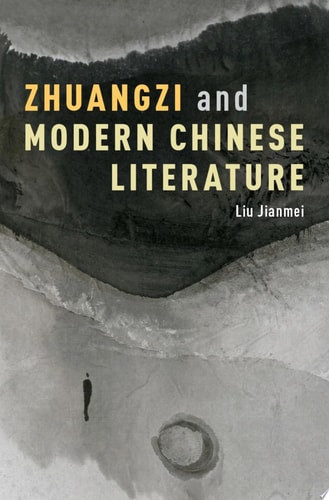
Zhuangzi and Modern Chinese Literature
0
0
As an Amazon Associate and affiliate partner, Menrva Books earns from qualifying purchases. Learn more
Author Description
This is a powerful account of how the ruin and resurrection of Zhuangzi in modern China's literary history correspond to the rise and fall of modern Chinese individuality. Liu Jianmei highlights two central philosophical themes of Zhuangzi: the absolute spiritual freedom as presented in the chapter of "Free and Easy Wandering" and the rejection of absolute and fixed views on right and wrong as seen in the chapter of "On the Equality of Things." She argues the twentieth century reinterpretation and appropriation of these two important philosophical themes best testify to the dilemma and inner-struggle of modern Chinese intellectuals. In the cultural environment in which Chinese writers and scholars were working, the pursuit of individual freedom as well as the more tolerant and multifaceted cultural mentality has constantly been downplayed, suppressed, or criticized.By addressing a large number of modern Chinese writers, including Guo Moruo, Hu Shi, Lu Xun, Zhou Zuoren, Lin Yutang, Fei Ming, Liu Xiaofeng, Wang Zengqi, Han Shaogong, Ah Cheng, Yan Lianke, and Gao Xingjian, the author provides an insightful and engaging study of how they have embraced, rejected, and returned to ancient thought and how the spirit of Zhuangzi has illuminated their writing and thinking through the turbulent eras of modern China. This book not only explores modern Chinese writers' complicated relationship with "tradition," but also sheds light on if the freedom of independence, non-participation, and roaming and the more encompassing cultural space inspired by Zhuangzi's spirit were allowed to exist in the modern Chinese literary context. Involving the interplay between philosophy, literature, and history, Liu delineates a neglected literary tradition influenced by Zhuangzi and Daoism and traces its struggles to survive in modern and contemporary Chinese culture.
Menrva's Summary
THE THESIS
This book investigates how the philosophical concepts of Zhuangzi were reinterpreted and utilized by modern Chinese writers to navigate the shifting landscape of individual identity and intellectual freedom. Liu Jianmei, a scholar of modern Chinese literature, utilizes a historical and philosophical framework to analyze how the tension between traditional Daoist thought and modern political pressures shaped the literary output of the twentieth century. She argues that the fluctuating reception of Zhuangzi reflects the broader struggle of Chinese intellectuals to define autonomy within a restrictive cultural environment.
THE SCOPE MAP
What You Will Find
- Analysis of the Zhuangzi chapters "Free and Easy Wandering" and "On the Equality of Things."
- Examination of literary figures including Lu Xun, Lin Yutang, Gao Xingjian, and Yan Lianke.
- A historical survey of the intersection between Daoist philosophy and modern Chinese literary movements.
Scope Limits
- The text focuses primarily on the reception of Zhuangzi rather than providing a comprehensive history of Daoism itself.
- It does not cover pre-modern literary applications of these philosophical themes.
THE AUTHORITY PERSPECTIVE
Scholars frequently cite this work as a significant contribution to the study of how ancient philosophical traditions persist within modern literary frameworks. Experts highlight the text for its rigorous synthesis of historical context and textual analysis, making it a standard reference for those studying the intellectual history of twentieth-century China.
Page Count:
307
Publication Date:
2016-01-01
Publisher:
Oxford University Press
ISBN-10:
0190238151
ISBN-13:
9780190238155
Philosophy
Asian Studies
Cultural History
Literary Criticism
Daoism
Chinese
Community Tags
Other Editions(3)
Similar Books

Reader Comments
Share Your Thoughts
No comments yet. Be the first to share your thoughts!